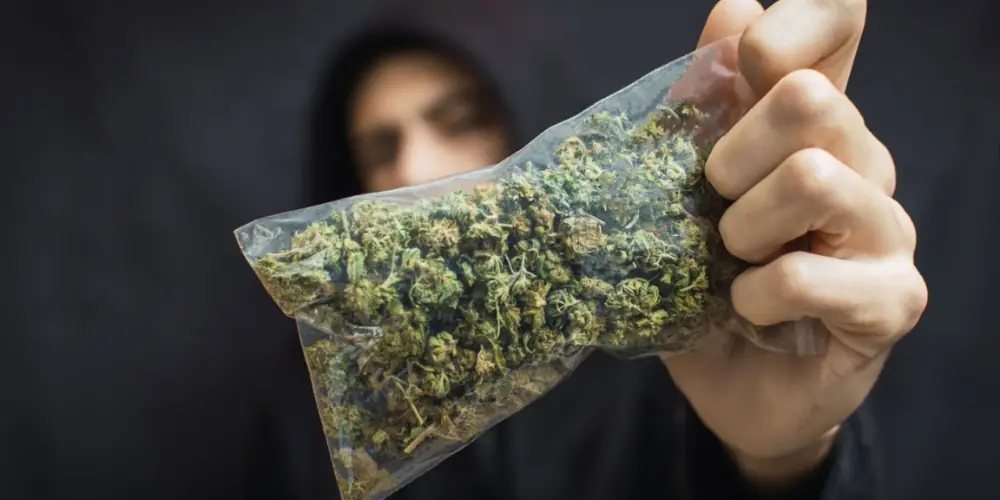
The cannabis market in the United States is thriving, but along with rapid growth comes a serious environmental challenge—plastic packaging. From sleek bags and hard-shell tubes to thick jars and resealable pouches, plastic has become the dominant packaging material across dispensary shelves.
While legalization brings accessibility, it also intensifies the industry’s contribution to plastic waste, raising concerns for both environmental health and consumer safety.
The Scale of the Cannabis Plastic Problem
Plastic is everywhere in cannabis packaging, and the impact is staggering. Nearly 98% of plastics originate from fossil fuels, and 40% of them are discarded after a single use. Once thrown away, they do not disappear but persist indefinitely, breaking down into microplastics that pollute soil, water, and air. Without change, global plastic production is projected to triple by 2060.
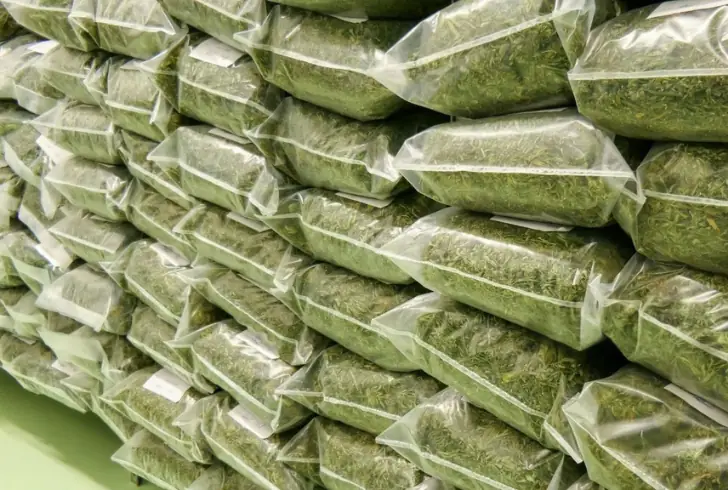
Pixabay | redstallion | In 2020, Canadian cannabis generated 5.6M+ monthly packaging units for dried flower.
A 2020 study from Toronto Metropolitan University estimated that the Canadian cannabis industry generated over 5.6 million units of packaging in a single month for dried flower alone. In the U.S., the total waste is even harder to measure due to state-by-state legalization rules. However, considering larger markets in California, Colorado, Michigan, and Missouri, the figure is expected to exceed Canada’s by a significant margin.
Actor Woody Harrelson, co-founder of The Woods WeHo and a member of the Plastic Pollution Coalition, captured the urgency of this issue:
“It’s our dream for the cannabis industry to be plastic-free. At The Woods, we believe the health of our community is inseparable from the health of our environment. As an industry rooted in nature and wellness, cannabis should use packaging that reflects those same values.”
Why Plastic Dominates Cannabis Packaging
Cannabis packaging rules are strict, and they differ across states. They are designed to prevent tampering, protect children, reduce odor, and preserve freshness to avoid mold or contamination. While these intentions are important, they often drive businesses toward cheap, plastic-heavy solutions.
Kyle Sherman, CEO of Flowhub, told Newsweek that “rigid compliance packaging requirements” are a major driver of plastic use, especially for pre-rolls, vape cartridges, and edibles. These items often come in thick-walled, non-recyclable containers, many of which end up as single-use waste.
While plastic may appear cost-effective, its hidden price is immense. According to experts, plastics contribute at least $1.5 trillion annually in global health damages. With over 16,000 chemicals used in plastic production—4,200 of them hazardous—links have been found to cancer, infertility, cardiovascular disease, and more.
For cannabis specifically, plastic poses an additional problem: THC and CBD, the compounds that give cannabis its therapeutic effects, are fat-soluble and can cling to plastics. This not only lowers potency but also raises the likelihood of chemical leaching into the product itself.
Cannabis Packaging Laws by State
Packaging laws vary widely across states, shaping how products reach consumers:
– Child-resistant packaging is required in states such as Arizona, Colorado, Illinois, Michigan, Nevada, New York, Oregon, and more.
– Food-like packaging bans exist in Arkansas, Michigan, Missouri, Montana, Utah, and West Virginia to reduce risks for children.
– Bare container rules apply in Florida and New Hampshire.
– Tamper-evident seals are mandatory in California, Maryland, Massachusetts, Nevada, Pennsylvania, and others.
While these regulations aim to protect consumers, they unintentionally reinforce reliance on single-use plastics. Importantly, the laws do not explicitly require plastic, but convenience and low short-term cost keep it in the spotlight.
Paths Toward a Greener Cannabis Industry
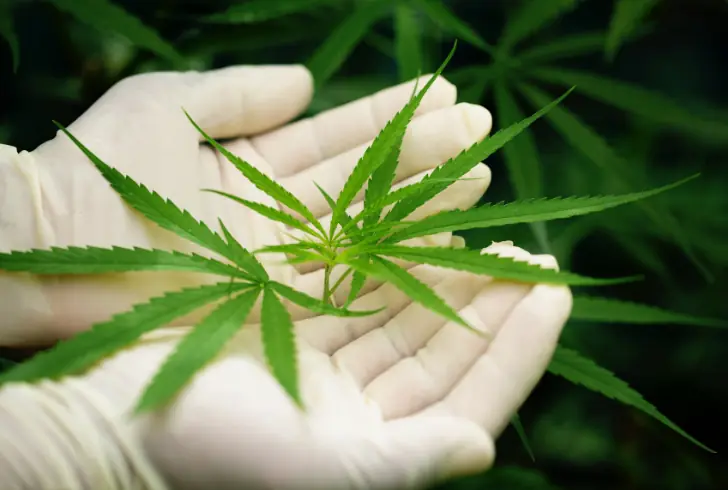
Freepik | Reducing cannabis packaging plastic requires supply chain and government action.
Reducing plastic in cannabis packaging requires more than individual consumer choices. It demands systemic changes across the supply chain, government, and retail sectors. Some strategies include:
1. Collaboration and Reform
Lawmakers, scientists, and industry leaders must revise packaging rules, allowing alternatives like glass, paper, or biodegradable materials while maintaining safety.
2. Innovation and Investment
Producers and packaging firms should prioritize research into eco-friendly materials that meet compliance standards without defaulting to plastic.
3. Education and Incentives
Retailers can offer loyalty programs for container returns, while consumers can push for sustainable options by asking dispensaries about packaging policies.
Moving Cannabis Toward Sustainability
The cannabis industry stands at a critical point. With legalization spreading and consumer demand rising, the sector has the opportunity to lead in sustainable practices rather than contribute to a mounting plastic crisis. Plastic-free packaging is not only possible but necessary to protect public health and the environment.
Shoppers can influence the shift by supporting brands that use glass jars, biodegradable bags, or recyclable paper-based packaging. Dispensaries can help by stocking products with minimal plastic. Legislators can drive the change by enacting policies that promote sustainability without compromising safety.
If cannabis truly represents wellness and connection to nature, its packaging must reflect the same values. Addressing the plastic problem is not just about industry responsibility—it’s about protecting both communities and ecosystems for generations to come.