The internet feels permanent, but it is anything but stable. Files vanish, platforms shut down, and formats stop working without warning. What looks solid today can disappear tomorrow without a trace. That is exactly why the Victoria and Albert Museum has stepped in with a bold mission.
The museum is not chasing nostalgia. It is trying to protect pieces of digital culture before they fade beyond recovery. This effort is about memory, access, and truth. If early digital history disappears, future generations lose a clear view of how the online world took shape.
The V&A’s work shows a simple reality. Digital content depends on fragile systems that age fast. Unlike books or paintings, digital artifacts need constant care just to stay visible. Without active preservation, entire eras of online culture can blink out of existence.
Websites from the early 2000s are gone, software no longer runs, and even major platforms struggle to keep old content usable. The internet forgets faster than people expect.
Rebuilding YouTube’s First Moment
One of the museum’s most fascinating projects centers on YouTube’s first-ever video, “Me at the zoo.” It seems simple at first glance. It is just a short clip from 2005. Yet bringing it back to life turned into a technical puzzle.
The original video relied on Adobe Flash, which no longer exists in active use. Modern browsers do not support it. That means the original playback system is effectively dead. The museum had to rebuild an entire environment just to make the video function again.
Even then, the result is not a perfect match. The team had to rely on archived versions of YouTube from 2006 instead of the exact original setup. That gap shows how quickly digital platforms evolve and overwrite their own past.
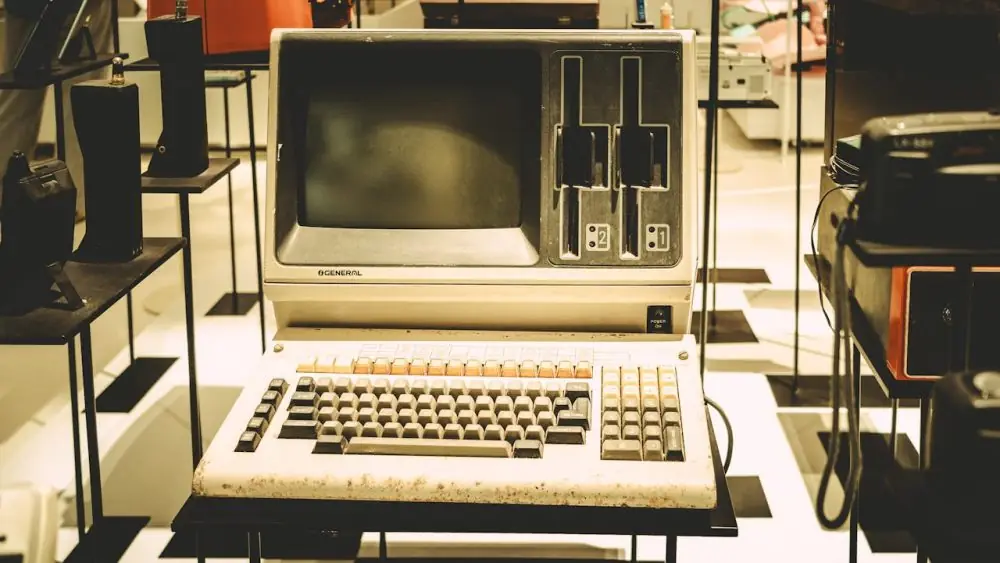
However, this challenge is not unique to YouTube. Old programming languages from the 1970s have faded into obscurity. Many systems used messy, tightly packed code that made sense at the time but now looks like a jumble of confusion.
Too Much Content, Not Enough Memory
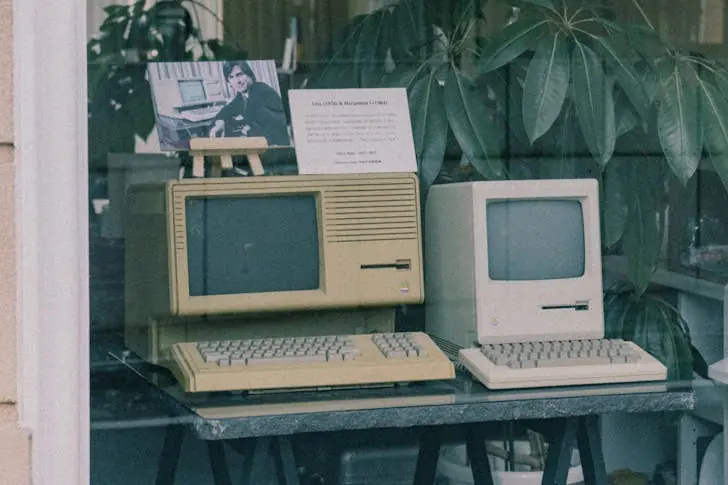
Derek / Pexels / Today’s internet produces more content than anyone can track. Millions of videos appear every day. Billions of photos get uploaded across platforms.
People document their lives constantly, often without thinking about long-term access.
This flood of content creates a strange problem. We record everything, yet we struggle to preserve anything in a meaningful way. Important moments can get buried under endless updates and trends that fade within hours.
At the same time, people no longer share a single online experience. Algorithms shape what each person sees. One user’s internet looks completely different from another’s. That makes it harder to define what should be saved for future generations.
Old Tech With New Purpose
While museums work to preserve the past, some companies are trying to reuse it. Yahoo offers a strong example of this approach. Once a giant of the early internet, it lost ground as newer platforms took over.
Instead of fading away, Yahoo is rebuilding itself by leaning on its legacy. It still offers familiar services like email and finance tools. At the same time, it is adding modern features powered by artificial intelligence.
The company’s acquisition of an AI-driven news app shows how old and new ideas can merge. Yahoo is not trying to compete by copying others. It is using its history as a foundation and layering new technology on top.
The Paradox of Digital Life

Kampus / Pexels / Modern technology moves at a relentless pace. Every new upgrade pushes older systems closer to extinction. This cycle creates a strange tension between progress and preservation.
People document their lives more than ever before. Photos, videos, messages, and posts build a detailed record of daily life. Yet the tools used to store this data may not last long enough to protect it.
This creates a paradox. We try to capture everything, but we risk losing it anyway. The more we rely on fast-changing platforms, the less stable our long-term memory becomes.