
Technology is moving fast, and it’s reshaping the way businesses think, plan, and operate. As companies look ahead to 2030, several disruptive innovations are rising to the surface—each bringing a unique set of capabilities and challenges.
From AI-powered code structures to digital misinformation safeguards and Earth-focused intelligence, these early-stage developments are setting a clear direction for the future of business systems. Decision-makers aren’t just noticing; they’re making moves to stay competitive.
GenAI-Driven Applications
Textual and multimedia inputs are starting to overtake traditional user interfaces. The days of form-based enterprise software are fading as GenAI-enabled code architecture introduces dynamic, prompt-based applications that respond to natural language inputs. This shift is prompting major software providers to rethink their approach.
By 2029, over half of enterprise interactions are expected to bypass the usual app interface, relying instead on large language models. That’s a major leap from today’s usage, which sits under 5%. These composable AI systems aren’t just another trend—they’re building smarter, more responsive systems that adapt to the way humans naturally communicate.
Securing the Digital Storyline
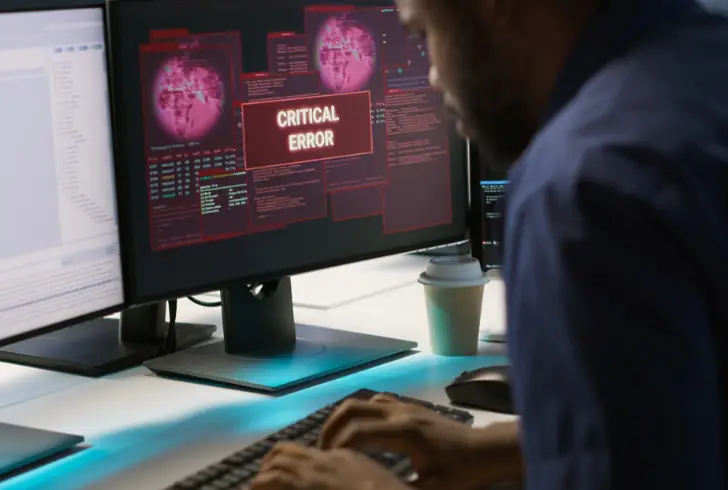
Freepik | brands are now focused on guarding narratives against external disinformation with advanced tools.
Brands are no longer just securing networks—they’re guarding narratives. Disinformation security has become a top priority as businesses confront threats that originate outside their controlled digital ecosystems. Technologies like deepfake detectors, impersonation blockers, and content verification tools are stepping up to meet the demand.
According to industry projections, nearly 50% of enterprises will adopt disinformation security solutions by the end of the decade. That’s a huge jump from the current 5%, signaling a growing need for organizations to protect brand credibility and customer trust. These tools will soon be essential in verifying data origin and ensuring public communications remain authentic.
Earth Intelligence Is No Longer Just for Satellites
What once seemed like something out of “Interstellar” is quickly becoming a practical business tool. Earth intelligence now plays a pivotal role in tracking and analyzing physical assets across the globe. Whether it’s monitoring agricultural yields or keeping an eye on infrastructure, AI-driven insights from satellites and drones are offering valuable data in real-time.
By 2028, 80% of major Earth surface assets will be under active satellite observation. That data will be funneled into decisions affecting everything from logistics to environmental planning. It’s not just governments or defense organizations using this insight—private enterprises are tapping into it to forecast trends and uncover hidden opportunities.
Rethinking Cloud Strategies for a Demanding Future
The cloud has shifted from a convenient tool to an essential infrastructure. But it’s not all smooth sailing. By 2028, a quarter of organizations are expected to report dissatisfaction with their cloud adoption due to rising costs, unrealistic projections, or poor planning. The stakes are high, and businesses can’t afford inefficiency.
Looking ahead, cloud environments will be dominated by AI and machine learning tasks. By 2029, over 50% of cloud usage will focus on these workloads—up significantly from less than 10% today. This means companies need scalable, AI-ready infrastructure to keep pace.
Multicloud solutions are also gaining traction, though interoperability remains a major hurdle. Over half of organizations may fall short of expectations in this area unless they align use cases with strategic deployment models across providers. Add to this the rise of digital sovereignty, and it becomes clear that cloud strategies need to consider everything from jurisdictional data laws to national security standards.
Cybersecurity Isn’t Taking a Back Seat

Freepik | Cybersecurity, now a key business growth driver, remains a top executive focus alongside AI.
While tech leaders focus on AI and emerging tools, cybersecurity continues to hold executive attention. It’s no longer just a safety measure—it’s a driver of business growth. According to Gartner, 85% of CEOs rank cybersecurity as a top priority for future success.
With global tensions rising and AI shaping digital operations, security has become a key part of strategy discussions. Companies now align cybersecurity efforts with revenue goals. Protecting digital assets goes hand in hand with driving performance. From safeguarding intellectual property to managing risks in new markets, cybersecurity directly supports business expansion.
AI Skills Gap Is Holding Back the C-Suite
There’s no denying that AI is becoming foundational to modern business—but leadership isn’t always ready. Only 44% of CIOs are considered “AI-savvy” by their CEOs. Despite 77% of chief executives acknowledging AI’s transformational power, many feel their top tech teams are unprepared.
The two biggest obstacles to wider AI integration? A lack of skilled talent and difficulty quantifying its business impact. Companies are starting to understand that success lies not just in hiring new experts but in upskilling existing employees to integrate AI into daily functions. Without that, even the most advanced tools may fall short of their potential.
Technology Is Setting the New Standard
Technology is no longer just a support system—it’s becoming the core of how businesses operate, compete, and grow. From real-time Earth data to AI-powered development environments, the trends shaping the next five years are already taking root today.
Early adopters will have the edge, especially those ready to build flexible cloud systems, secure their digital ecosystems, and train their teams for a smarter, AI-driven future. Whether it’s protecting online identities, rewriting software interfaces, or analyzing crop health from space, every business now has a stake in the tech-driven shift.
These aren’t passing trends—they’re long-term shifts reshaping the systems that power industries worldwide.