
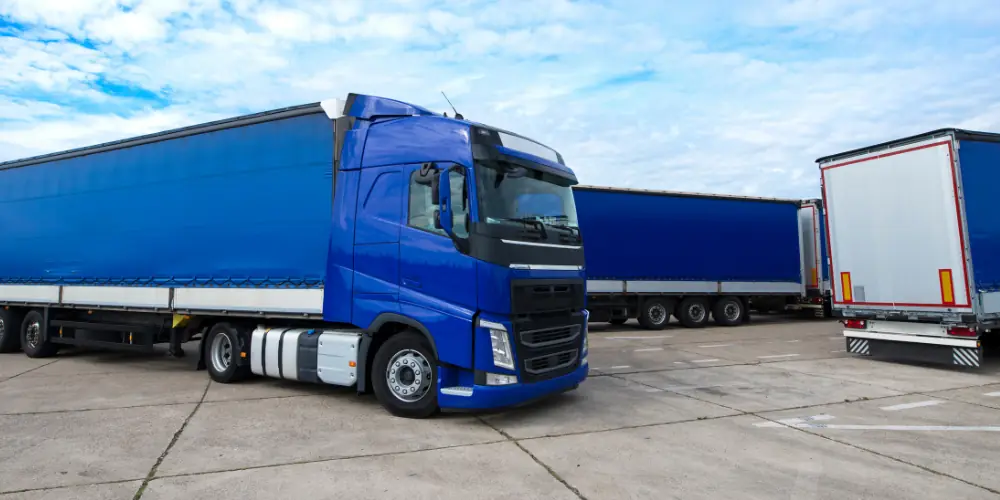
The trucking industry isn’t what it used to be—and that’s not just a nostalgic sentiment. Over the past few years, especially post-pandemic, the digital shift has introduced truckers to a tech-heavy, app-driven world that looks nothing like the payphone-and-pager days. For many drivers, the shift brought convenience and speed. But along with digital platforms came concerns: shrinking rates, rising costs, and uncertain job security.
Today, truckers like Jared—who’s spent over 20 years on the road—juggle laptops and smartphones between long hauls. What used to take hours of calls now takes seconds. These days, booking loads, planning routes, and getting paid all happen through a smartphone. Freight-matching apps—think of them as the trucking version of Uber—have streamlined the process. It’s quick and easy to use, no doubt about that.
The “Uberization” of Trucking
But there’s a downside: pay is shrinking, and gig-style driving is becoming the standard. Platforms like Uber Freight, Loadsmart, and Convoy match drivers with loads in real time. While the setup looks efficient on the surface, it pushes drivers into a race to the bottom. Many are forced to accept cheaper rates just to stay on the road. During the pandemic, some hauls were paying around $3 a mile. Now, on certain long-distance routes, drivers are lucky to get a third of that.
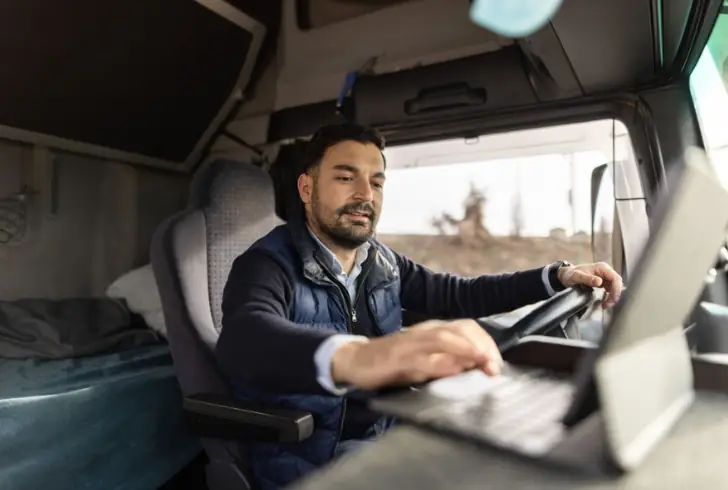
Freepik | Despite their efficiency, real-time pricing on freight apps forces truckers to compete for lower rates.
Platforms argue that flexibility and transparency are baked into their systems. Truckers can browse by route, vehicle type, and schedule, with instant booking or bidding options. Real-time data and AI recommendations help optimize time on the road. However, many drivers feel that convenience is coming at the cost of fair compensation.
Fragmentation Fuels the Shift
Canada’s trucking sector is largely made up of small operations—over 80% of firms have fewer than five employees. This fragmentation makes it easy for digital platforms to gain traction, promising volume and simplified logistics for independent drivers. Yet, with larger, union-backed carriers being pushed out of the equation, labor advocates are raising alarms.
Teamsters Canada, which represents over 130,000 transportation workers, has voiced deep concern over the app-based model. They warn that these platforms undermine decades of labor protections and fail to deliver sustainable wages. While tech companies focus on scaling efficiency, long-standing operators are left grappling with a squeeze on earnings.
Building Smarter Networks With AI
Some companies are trying a different approach. Vancouver-based Freightera, for example, allows carriers to set their own prices—based on what they need to operate profitably. With over 20 billion shipping routes searchable in seconds, the platform aims to simplify what used to be a logistical maze. Its CEO, Eric Beckwitt, emphasizes that smart tech shouldn’t be about driving prices down but making work more accessible and sustainable.
Freightera is currently investing in AI to streamline complex bookings. Instead of manually digging through inconsistent paperwork or rerouting due to surprise charges, their systems are being trained to identify problems before they escalate. For many drivers, that kind of efficiency is more helpful than aggressive bidding algorithms.
A Global Tech Movement in Trucking
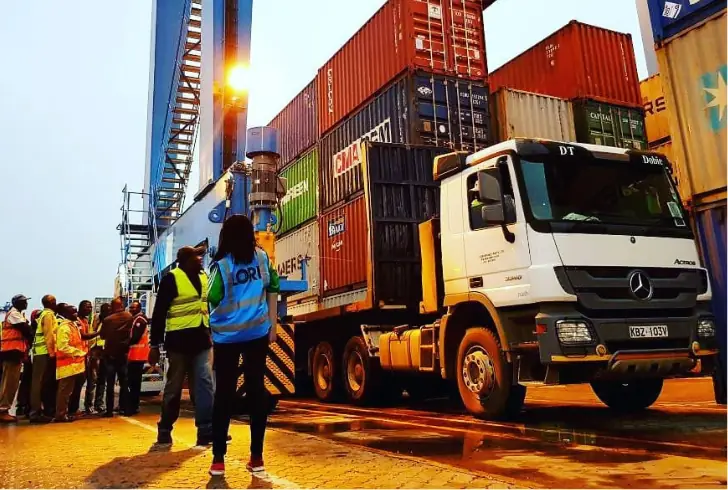
Instagram | lorisystems | Lori Systems in Kenya coordinates 20,000+ trucks to reduce fuel waste.
This shift isn’t limited to North America. In Kenya, for instance, Lori Systems has digitized freight management across East Africa. The platform coordinates over 20,000 trucks, aiming to cut fuel waste by reducing empty return trips. With so much of inland freight depending on trucks, streamlined coordination has dropped costs on key routes like Mombasa to Kampala.
According to a McKinsey report, trucking accounts for more than half of trade-related CO₂ emissions globally. Efficient freight tech has the potential to curb this number significantly. By reducing idle miles and matching loads with minimal detours, platforms can play a role in making trucking more eco-friendly.
The Rise of Driverless Trucks
While one arm of tech helps drivers find work, another is quietly testing their replacement. Driverless trucks are being piloted across China and the U.S., with companies like Aurora putting automated rigs on highways. The technology is largely there. What’s missing is regulatory trust and public confidence.
For long-time drivers like Jared, full automation still feels like a far-off idea. There’s skepticism about safety, reliability, and job displacement. Many believe that while AI can assist with logistics, it won’t fully replace the human judgment and adaptability needed on the road—at least not anytime soon.
The tension between innovation and stability continues to define the trucking sector. Technology has clearly made operations more efficient, but the race to digitize should not come at the expense of fair wages or job security.
As apps become more advanced and AI reshapes logistics, the industry faces a crossroads: balance progress with protection or risk losing the very people who keep freight moving.