
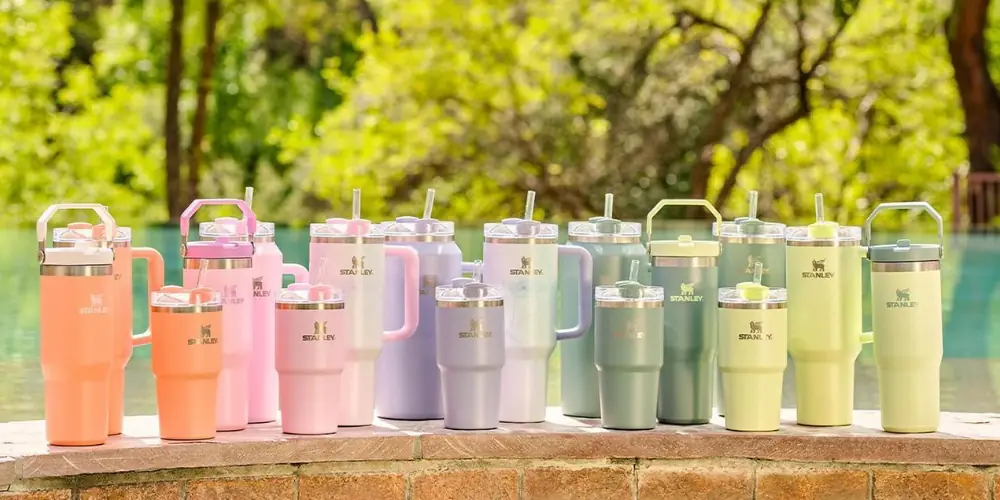
Remember the days when ditching single-use plastic bottles felt like a victory for both your health and the planet? It turns out that that victory might come with an unexpected caveat – lead. Yes, the toxic metal we’ve been diligently avoiding in paint chips and old pipes might be lurking in your seemingly eco-friendly reusable water bottle.
This unsettling revelation came to light with Stanley, a popular brand known for its sturdy and stylish insulated bottles. Recent online buzz, fueled by home lead testing kits, suggested the presence of lead in some Stanley products. While the company confirmed using “some lead” in their manufacturing process, they assured consumers that it’s safely encased and poses no risk. But is that the whole story? And what about other reusable bottle brands – are they lead-free heroes or silent accomplices?
We delve deep into this murky issue, separating fact from fiction and empowering you to make informed choices about your hydration companions. Buckle up, because this isn’t your average water bottle talk.
Instagram | stanley_brand | Under typical usage, Stanley asserts that the lead remains inaccessible.
Imagine your trusty water bottle. See that sleek, double-walled construction that keeps your drink refreshingly chilled or piping hot? That insulation magic comes courtesy of a vacuum-sealed design, where two layers of metal are separated by, well, nothing. The catch? Creating this near-perfect vacuum requires a seal, and for many manufacturers, that seal involves lead solder.
This low-cost, efficient method raises a crucial question: is the convenience worth the potential risk? While Stanley maintains the lead is inaccessible under normal use, concerns linger. What if your bottle takes a tumble or suffers wear and tear? Could that hidden lead become exposed, jeopardizing your health, especially if you’re a child with a penchant for chewing on bottle caps?
The World Health Organization (WHO) paints a sobering picture. They state that no level of lead exposure is safe , highlighting its detrimental effects on the nervous system, kidneys, and even fertility. Children, with their developing bodies, are particularly vulnerable, making the potential presence of lead in water bottles even more alarming.
Instagram | owala | Owala is dedicated to advancing lead-free manufacturing while prioritizing safety without compromising on quality.
Stanley isn’t the only player in the reusable bottle game. So, what about the others? Thankfully, not all brands subscribe to the lead-soldered approach. We reached out to several popular names, and here’s what we discovered:
The silence from other major brands like Yeti, S’well, and HydroJug leaves an unsettling gap in information. Transparency is key, and consumers deserve to know what goes into the products they trust with their health.
The lead issue extends beyond potential consumer exposure. Manufacturing workers directly handle lead solder, raising concerns about occupational safety. Even with proper safeguards, “take-home exposure” risks exist, potentially impacting their families as well.
This highlights the broader ethical responsibility manufacturers face. Choosing lead-free alternatives might require increased costs and technical hurdles, but ultimately, it’s an investment in the well-being of both consumers and their workforce.
Instagram | stockking | Research the brand and their manufacturing practices.
So, what does this mean for your trusty reusable water bottle? Here’s the takeaway:
Educate yourself: Research the brand and their manufacturing practices. If information is unavailable, consider reaching out directly.
Prioritize lead-free options: When possible, opt for brands demonstrably committed to lead-free production.
Practice caution: Even with lead-free bottles, avoid damage and wear and tear, and consider replacing them periodically.
Advocate for change: Let brands know you value lead-free manufacturing and encourage them to adopt safer practices.
Remember, informed choices lead to a healthier you and a more responsible industry. Your reusable water bottle should be a source of hydration, not hidden risks. Make your voice heard, and together, we can ensure that sustainability doesn’t come at the cost of our health.