These are the most powerful armed forces in the world based on the number of active and reserve soldiers, military equipment including jets, boats and tanks, and military spending. The nature of war remains the same. As long as there are human wars, human wars will not stop.
38. Switzerland
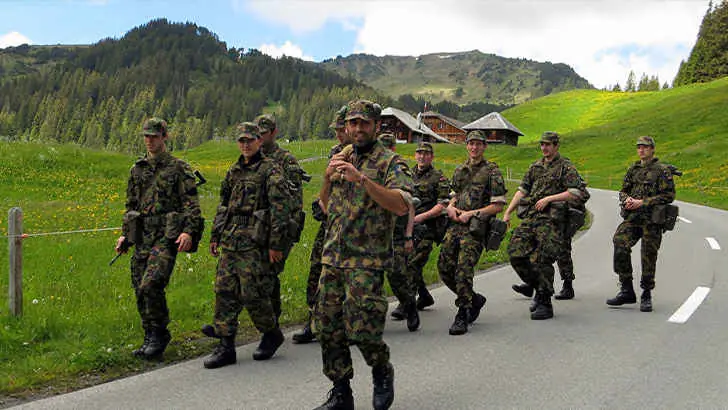
The Swiss Armed Forces have its operation going on the land and in the air, and also chartering on international waters. They comprise the well-known militia element and also include the small professional element or regular army. Under the country’s militia system, there are professional soldiers that comprise 5 percent of military personnel; the rest are made up of male citizen conscripts 19 to 50 years old, in some cases.
As it has a long history of neutrality, the army does not include armed conflicts in other countries but works hard in maintaining peacekeeping missions around the world.
37. Norway
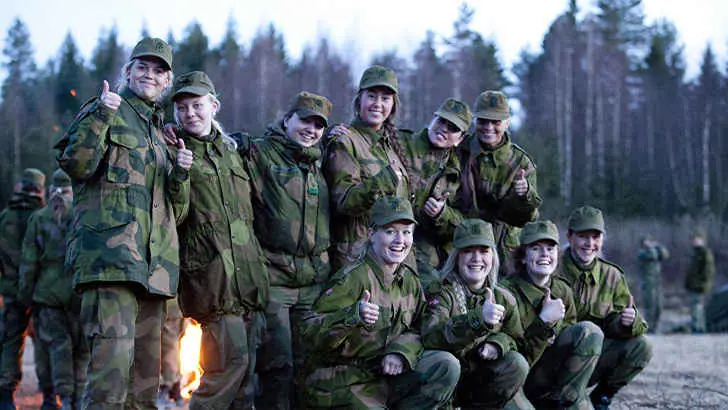
Norway`s operational defense forces comprise mainly the Army, Navy, Air Force, Home Guard, and Special Operations Command. The total number of employees as of 2018 is around 15,873. Apart from that Norway has around 7000 conscripts serving.
36. Australia
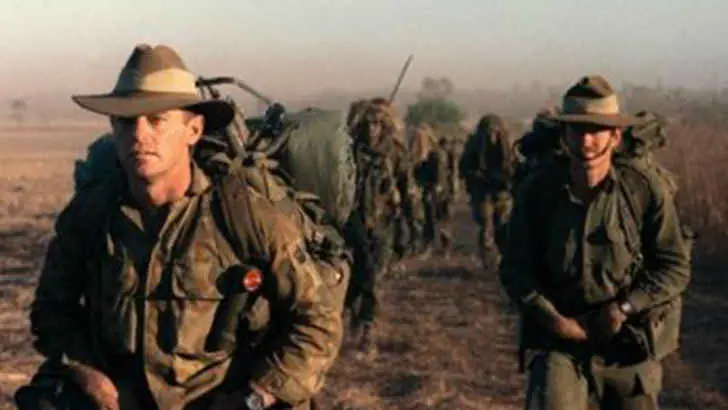
The Australian Defence Force (ADF) is the military organization responsible for the defense of the Commonwealth of Australia and its national interests. It is divided into three segments the Royal Australian Navy (RAN), Australian Army, Royal Australian Air Force (RAAF), and many more units known as “tri-service” units. The ADF has a strength of just over 85,000 full-time personnel and active reservists and is supported by the Department of Defence and several other civilian agencies.
35. Thailand
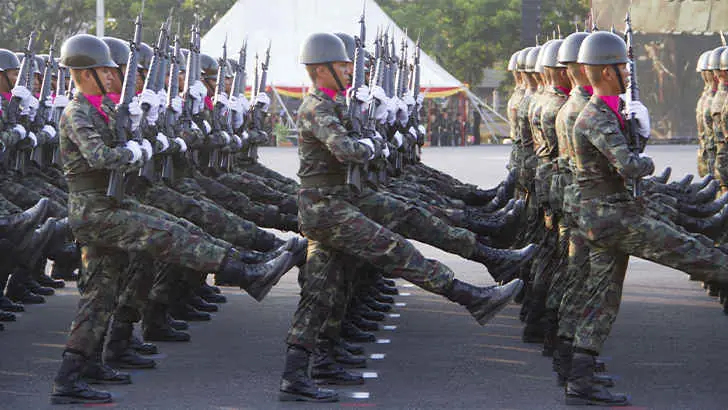
The Royal Thai Army is the army of Thailand that takes care of the protection of sovereignty. It is not only the oldest but also the largest branch of the Royal Thai Armed Forces. The army had its inception in 1874, as the country wanted to protect itself from the new security threats that followed in the wake of the Bowring Treaty with Britain, which opened up the country for starting international trade.
34. Mexico
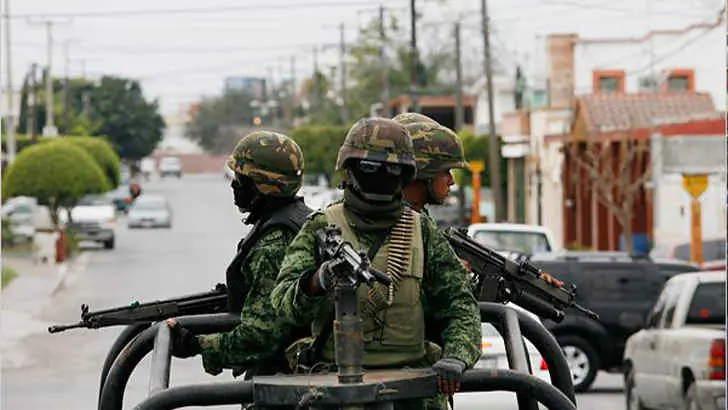
The Mexican Armed Forces belong to the United Mexican States. The army was established by the Spanish crown in the eighteenth century. After Mexico attained independence in 1821, the military played a key political role, with army generals taking the role of the heads of state. Currently, the Mexican military forces consist of independent entities: the Mexican Army and the Mexican Navy. The Mexican Army comprises the Mexican Air Force, while the Mexican Navy consists of the Naval Infantry Force (Marine Corps) and the Naval Aviation (FAN).
33. Peru
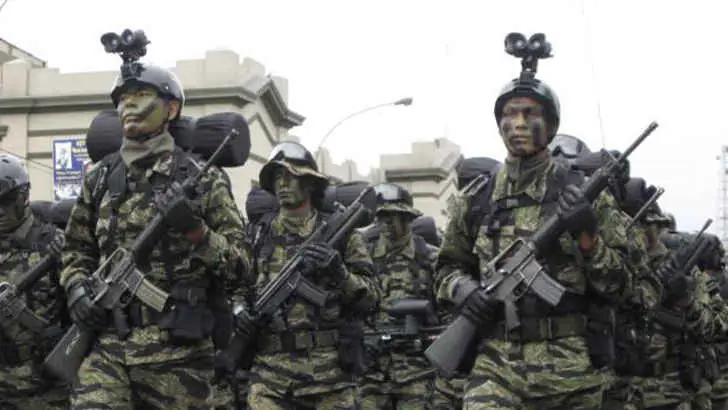
The Peruvian Army falls under the Peruvian Armed Forces and maintains the independence, sovereignty, and integrity of national territory on land via military force. Their chief goal includes taking care of safeguarding internal security, as they perform their duties including disaster relief operations, and take care of international peacekeeping operations.
32. Netherlands
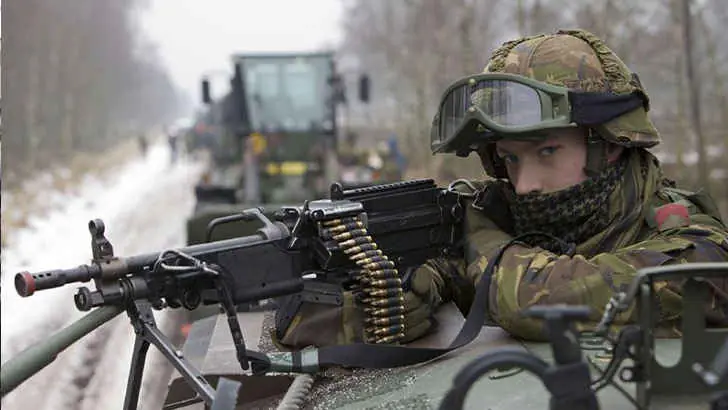
The Armed forces of the Netherlands comprise the Army, Navy, and Air Force. In the kingdom of the Netherlands, there are tiny local conscript forces on various islands of Aruba (Arumil) and Curaçao (Antmil). These small islands auspices of the Royal Netherlands Navy and Marines. The military ranks of the Dutch armed forces are pretty similar to the British and U.S. military ranks. The Chief of the Netherlands Defence Staff is the highest-ranking officer in the Dutch military and is usually regarded as a four-star officer (NATO OF-9).
31. Taiwan
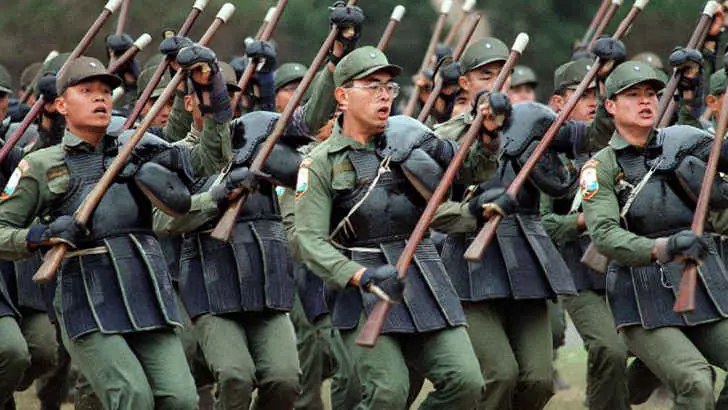
The Republic of China (Taiwan) Armed Forces has the Army, Navy (including the Marine Corps), Air Force, and Military Police Force of the Republic of China (Taiwan). It is a military establishment, that accounts for 16.8% of the central budget in the fiscal year of 2003. It was first known as the National Revolutionary Army before being renamed the Republic of China (Taiwan) Armed Forces in 1947 because of the Constitution’s implementation.
The ROC military’s rank structure is more on the lines of the U.S. Armed Forces. The titles of each rank are the same in Chinese for all of the major four military branches.
30. Argentina
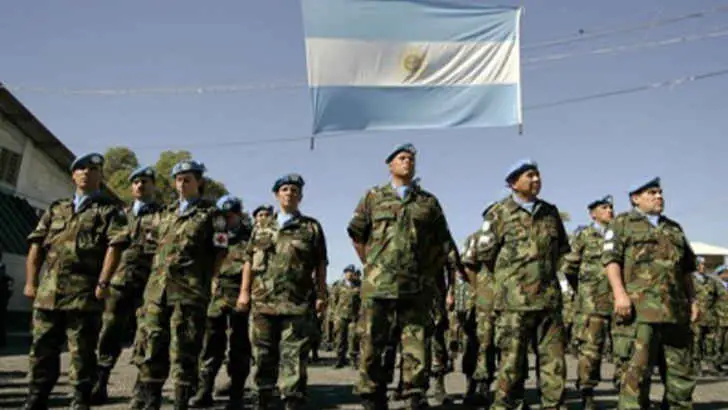
The Armed Forces of the Argentine Republic come under the Commander-in-Chief (the President) who is a civilian Minister of Defense. Apart from the conventional army, navy, and air force, there are two security forces, that are controlled by the Ministry of Security, which are mobilized as far as armed conflicts of the Argentine National Gendarmerie.
29. Malaysia
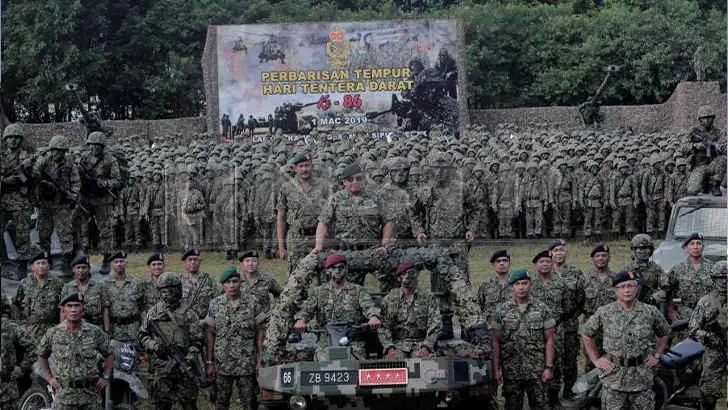
The Malaysian Armed Forces the military of Malaysia is based on three tripod stands, the Royal Malaysian Navy the Malaysian Army, and the Royal Malaysian Air Force, General Zulkefli Zin takes on the role of the Chief of Defence Forces.
28. Czech Republic
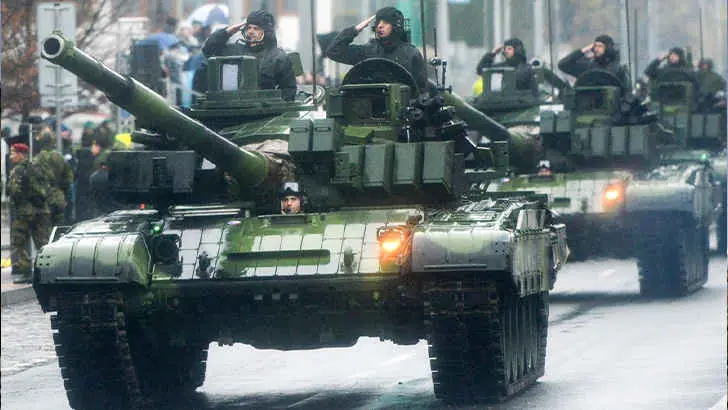
The Army of the Czech Republic comprises the land forces, the Czech Air Force, and support units. Ranging from the years the 1940s to 1989, the extensive Czechoslovak Armed Forces (about 200,000) became an integral part of the Warsaw Pact military alliance. After the dissolution of Czechoslovakia, the Czech Republic went for a major reorganization and minimized the armed forces, which increased after the Czech Republic went on to join NATO on 12 March 1999.
27. Myanmar
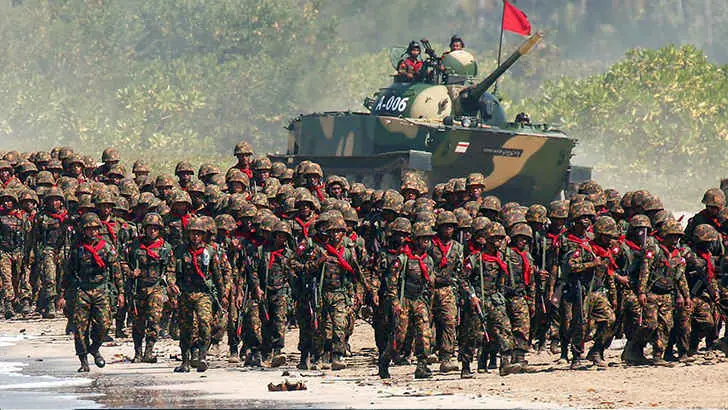
After Myanmar (then known as Burma) gained back independence in 1948 as its armed forces grew steadily. However, despite its constant challenges from a large number of ethnic, ideological, and economic insurgents, its formal strength was never beyond the number of 186,000. This picture changed completely in the 1988 pro-democracy uprising when the new military regime changed completely thanks to a massive expansion and modernization program.
26. Ukraine
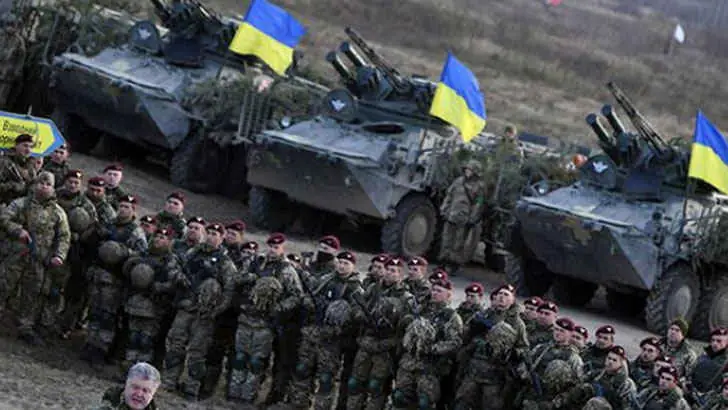
The Armed Forces of Ukraine (AFU) are the military forces of Ukraine. All military and security forces, that includes the Armed Forces, that are under the command of the president of Ukraine and subject to oversight by a permanent Verkhovna Rada parliamentary commission.
25. Sweden
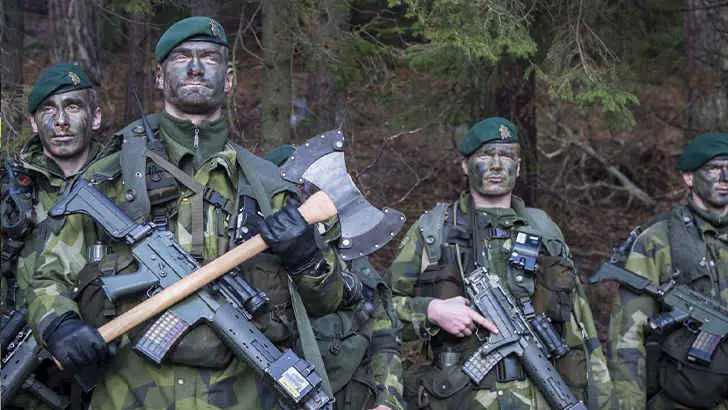
The Swedish Armed Forces is a Swedish Government Agency is responsible for maintaining and operating the armed forces of Sweden. The Swedish Armed Forces’ chief task is to conduct training, organizing, and deployment of the military forces, both domestically and abroad, while standing up for the country and defending it during a war.
24. Greece
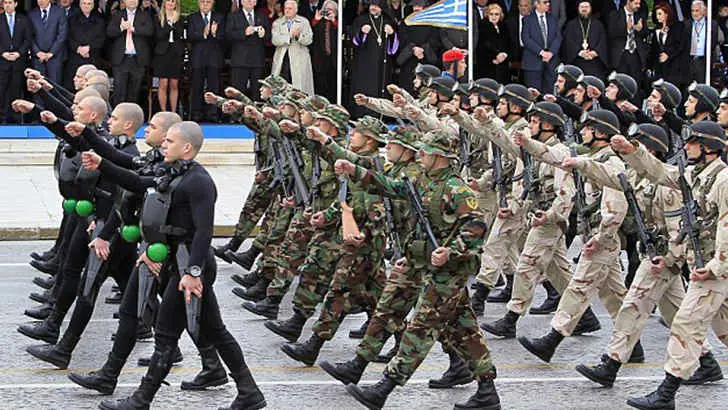
The Hellenic Armed Forces form the combined military forces of Greece. They form the Hellenic National Defense General Staff, the Hellenic Army, the Hellenic Navy, also the Hellenic Air Force. The Ministry of National Defense is the civilian authority for the Greek military.
23. Spain
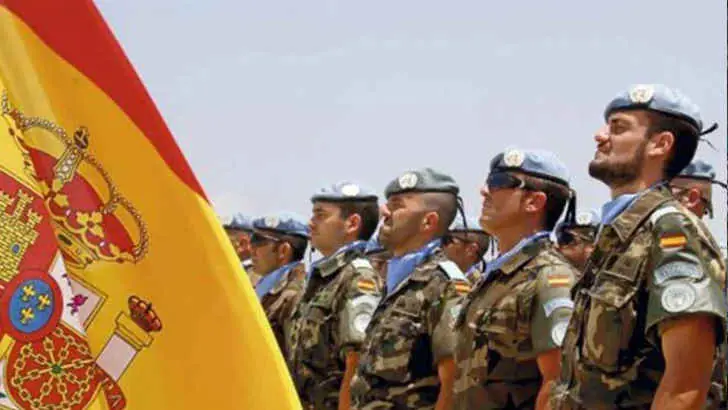
The Spanish Armed Forces are the flagbearer of the military forces of the Kingdom of Spain. The Spanish Armed Forces are right up there as far as the modern military force is concerned as they defend the Kingdom’s integrity and sovereignty. They comprise the Army, Navy, and Air Force. The Monarch happens to be the Commander-in-Chief of the armed forces and the Supreme Chief of the Armed Forces.
22. Canada
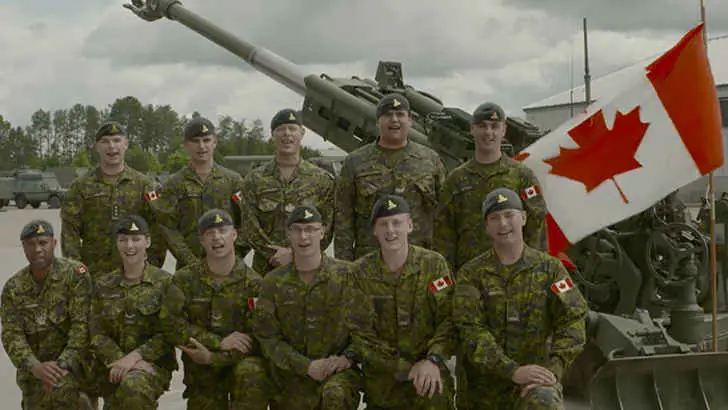
The Canadian Armed Forces happen to be the joining of the three unified forces the sea, land, and air elements referred to as the Royal Canadian Navy, Canadian Army, and Royal Canadian Air Force. Under the National Defence Act, the Canadian Armed Forces are separate in its entity from the Department of National Defence which acts as the civilian support system for the Forces. As per the latest consensus, the authorized strength happens to be 71,500 Regular Force members and 30,000 Reserve Force members.
21. Algeria
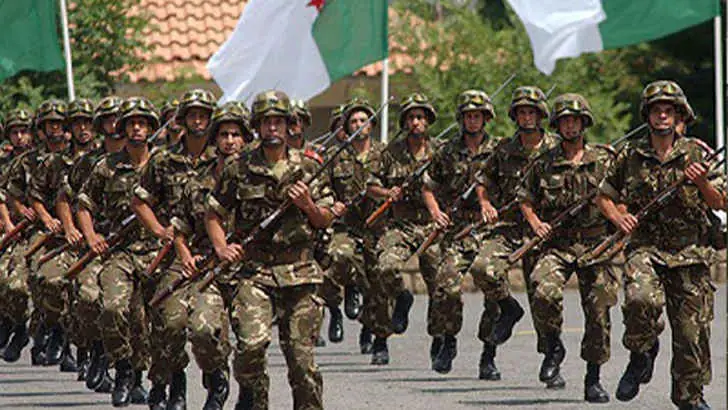
The Algerian People’s National Army or APNA as it is known as is the armed forces of the People’s Democratic Republic of Algeria. Algeria has a large and fairly strong military to combat both foreign and domestic threats. The People’s National Army comprises the ground forces, an air force, a navy, and an air defense command.
20. Saudi Arabia
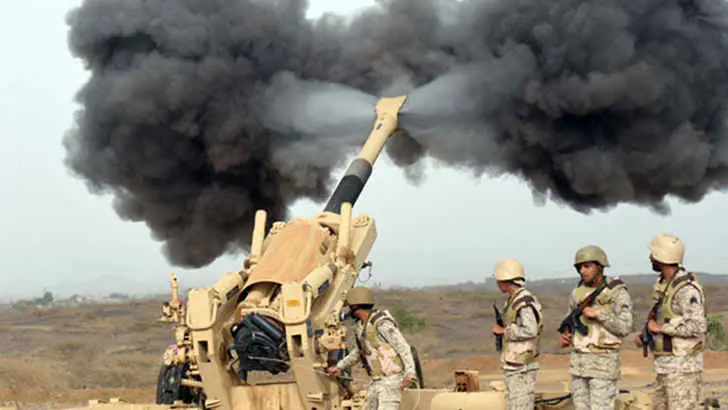
The Saudi armed forces consist of the Saudi Arabian Army, the Royal Saudi Air Force, the Royal Saudi Navy, the Royal Saudi Air Defense, the Saudi Arabian National Guard (SANG), and paramilitary forces, that has around 200,000 active-duty personnel. Apart from the regular tropes, it has a military intelligence service, the General Intelligence Presidency (GIP).
The Saudi Arabian National Guard is not a reserve but is said to be a completely operational front-line force, and stemmed from Abdul Aziz’s tribal military-religious force, the Ikhwan. The King of Saudi Arabia happens to be the commander-in-chief of the armed forces and comprises the military policy with the Ministry of Defense and the Ministry of Interior.
19. North Korea
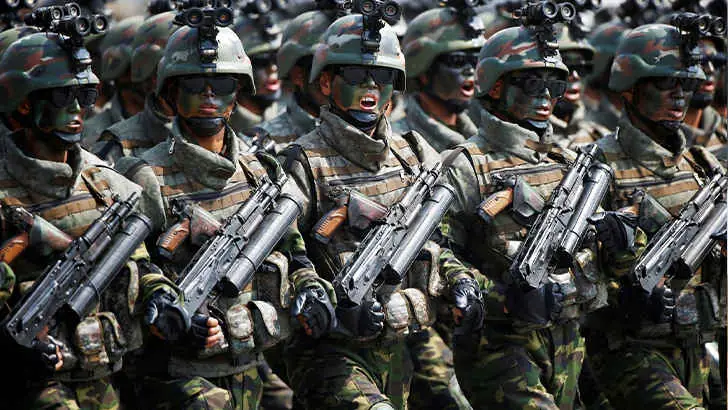
The Korean People’s Army is the military force of North Korea and it is also the armed wing of the Workers’ Party of Korea. Under the Songun policy, it is the crux of North Korean society. Currently, the Supreme Commander of the WPK General Secretary is Kim Jong-un and he is also the chairman of the WPK Central Military Commission. The Ground Force, the Naval Force, the Air and Anti-Air Force, the Strategic Rocket Forces, and the Special Operation Force form the crux of the North Korean army.
As of 2021, it is regarded as the second largest military organization in the world, with 29.9% of the North Korean population os said to be actively serving either in reserve or in a paramilitary capacity.
18. Iran
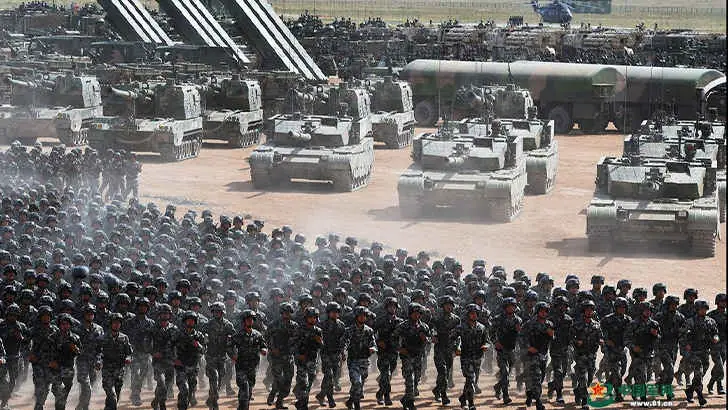
The Islamic Republic of Iran Armed Forces is the combined military force of Iran, consisting of the Islamic Republic of Iran Army the Islamic Revolutionary Guard Corps, and the Law Enforcement Force.
Iranian Armed Forces are regarded as the largest in the Middle East in terms of active troops. Iran’s military forces have around 610,000 active-duty personnel plus 350,000 reserves and trained personnel that are on stand-by and come to the country’s aid as and when necessary. The country’s military manpower is around 960,000 total personnel. These numbers are excluding the Law Enforcement Force or Basij.
17. Poland
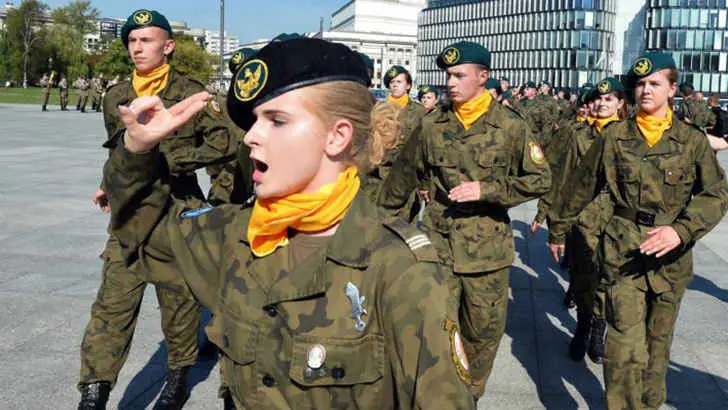
The Armed Forces of the Republic of Poland or the Polish Military are the national armed forces of Poland. The name has been used since the early nineteenth century, but can be referred to the earlier periods. The Armed Forces of the Republic of Poland include Land Forces, Navy, Air forces, and Special Forces and comes under the command of Ministerstwo Obrony Narodowej (Ministry of National Defense).
16. Brazil
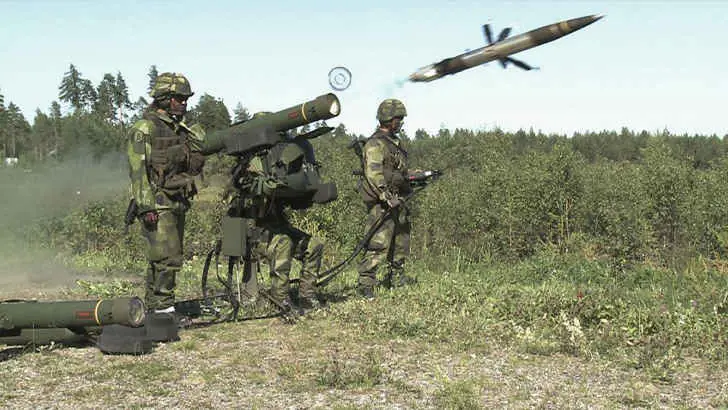
The Brazilian Armed Forces comprise the unified military forces of Brazil including the Brazilian Army, Navy, and Brazilian Air Force and they are permanent and regular national institutions and have a constitutional mission that ensures the defense of the Homeland, guarantees constitutional powers, and at their instigation also the law and order.
15. Vietnam
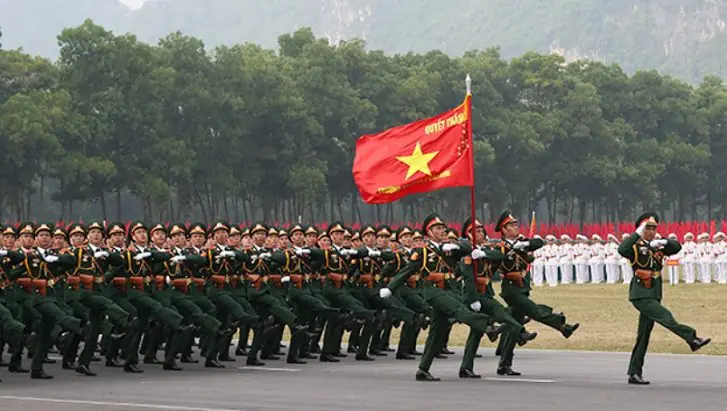
The Vietnam People’s Army also known as the Vietnamese People’s Army and the People’s Army of Vietnam is called the armed forces of the Socialist Republic of Vietnam. The Socialist Republic of Vietnam includes Strategic Rear Forces Navy, Air Force, Vietnam Border Defense Force, and Vietnam Coast Guard.
14. Indonesia
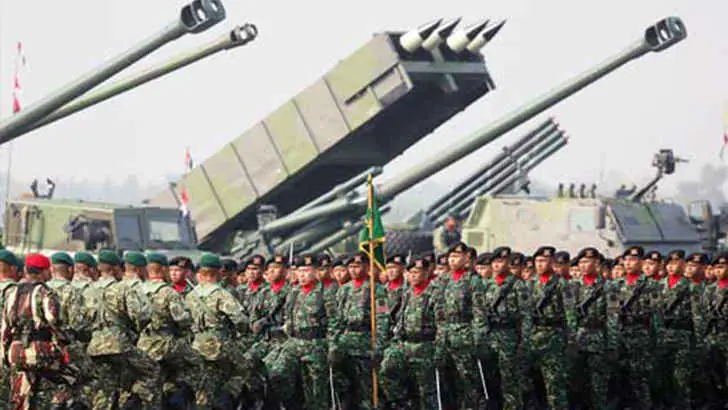
The Indonesian National Armed Forces in 2012 comprise approximately 476,000 personnel and the includes Army, the Navy the Indonesian Marine Corps, and the Air Force. The unit came into existence with the People’s Security Army and finally was called the Republic of Indonesia Army and is now renamed the Indonesia National Armed Forces.
The Indonesian armed forces are voluntary. The available manpower fit for military service of males aged ranges from the age group of 16 to 49 and there are currently 52,000,000 personnel at work with a further 2,000,000 in the reserves for deployment as and when required.
13. Pakistan
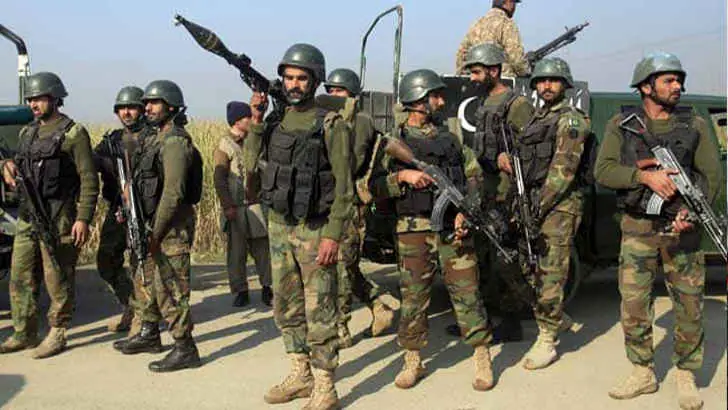
The Pakistan Armed Forces are the military forces of Pakistan. They stand in the position of the seventh largest in the world in terms of active troops. The armed forces chiefly comprise of Army, Navy, Marines, and the Air Force, Strategic Plans Division (SPD) forces and paramilitary forces.
12. South Korea
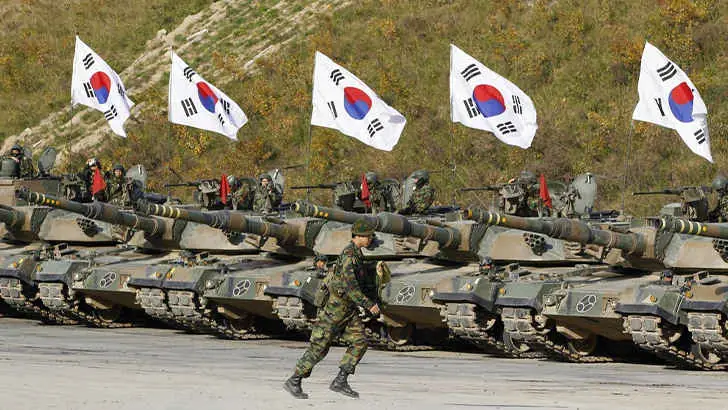
South Korea maintains a large, well-equipped armed-forces establishment that comprises of army, navy, and air force branches, although it is considered a lot smaller than North Korea. The army forms the largest component, and they also have a sizable reserve force. Military service is mandatory for the males of the country. South Korea’s main military goal is to protect itself from any attack by the North of Korea.
11. Italy
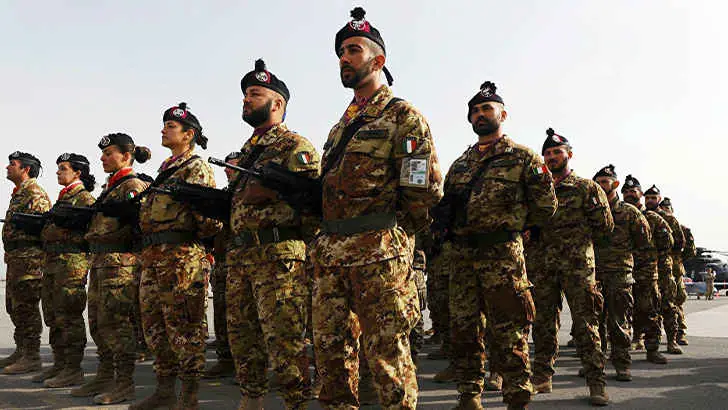
The Italian Armed Forces include the Italian Army, the Italian Navy, and the Italian Air Force. A fourth branch of the armed forces, known as the Carabinieri, is responsible for the nation’s military and territorial police force. The President of the Italian Republic leads the armed forces as the President of the Supreme Council of Defence.
There are 183,000 who work as the active military personnel with an additional 117,943 personnel of the Carabinieri and 68,134 personnel for the Guardia di Finanza. Italy currently holds the position of the tenth highest military budget in the world.
10. Egypt
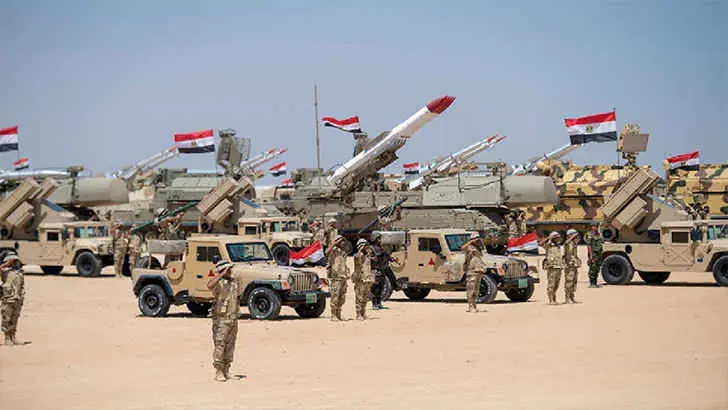
The Egyptian Armed Forces are the largest in Africa, and the Middle East, and holds the position of being the 10th most powerful in the world. The Egyptian Armed Forces comprises of Egyptian Army, Egyptian Navy, Egyptian Air Force and Egyptian Air Defense Command.
9. Germany
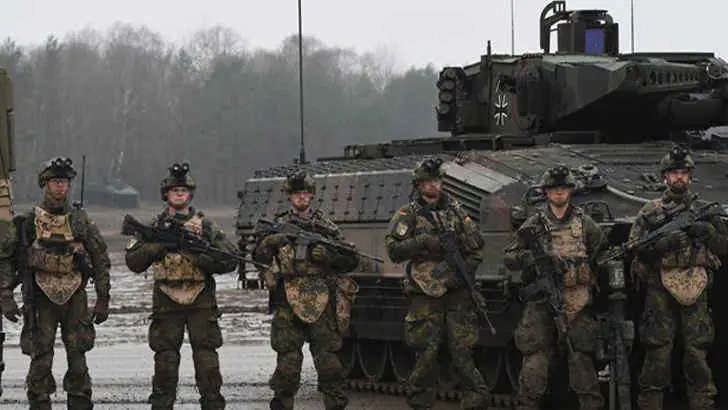
The German Army is the land component of the armed forces of Germany. The present-day German Army was founded in 1955 as part of the newly formed West German Bundeswehr together with the German Navy and German Air Force. As of January 2022, the German Army currently has around 62,766 soldiers.
The Bundeswehr is said to be one of the world’s most technologically advanced and best-supplied militaries, befitting Germany’s overall economic prosperity and significant military industry. However, with military spending only contributing to 1.3% of the GDP, it is also regarded as amongst the lowest budgeted militaries in the world in terms of share of GDP. With 183,000 active troops, making it makes to the list of the 30th largest military force in the world and the fourth largest in the European Union.
8. Turkey
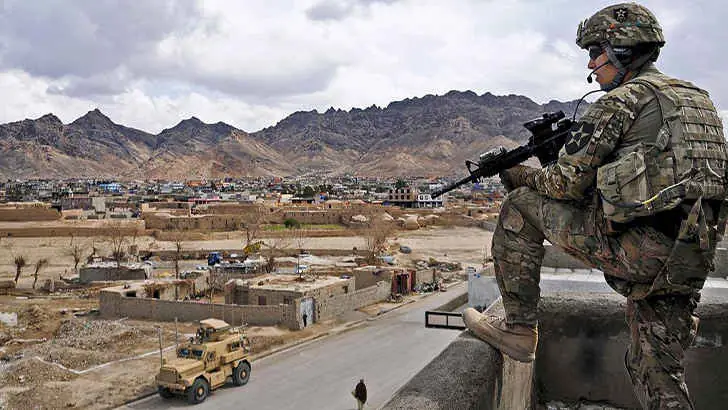
The geographical position of Turkey leads to the country getting involved in several conflicts. TAF or the Turkish Armed Forces is the official term of the country’s military. The Turkish Armed Forces include Land Forces, Naval Forces, Air Forces, as well as the General Staff. The responsibility of the General Staff is to coordinate the military relations between the Turkish Armed Forces and the other member states of the North Atlantic Treaty Organization.
7. Japan
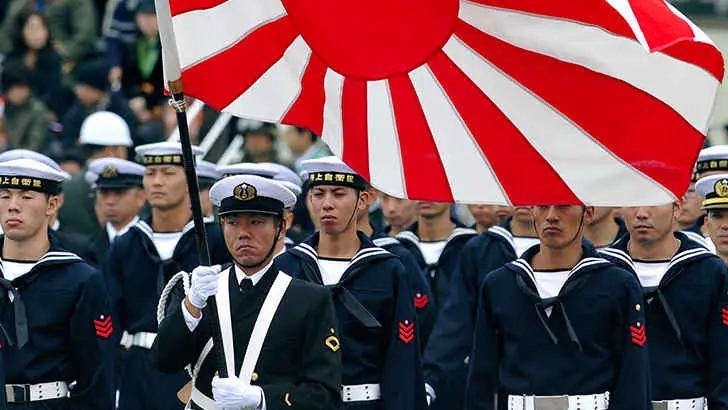
You might not be aware of the fact that Japan doesn’t receive any allowance technically to maintain its armed forces. Reports suggest that the country had to face this after the culmination of the Second World War Therefore, the technical term is given to the Japanese military is Self-Defense Force. The Self-Defense Force was established back in the year 1954.
6. The United Kingdom
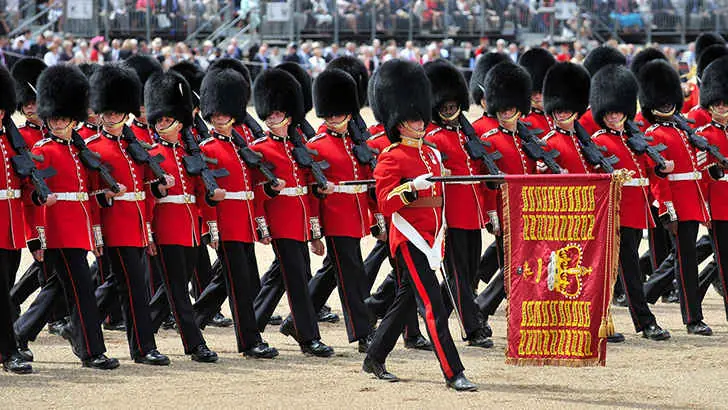
The British Armed Forces are officially known as Her Majesty’s Armed Forces. The military services are considered to be one of the world’s best and are responsible for defending the United Kingdom, its overseas territories, as well as the Crown Dependencies. Another responsibility of the British Armed Forces is to promote the wider interests of the United Kingdom, offer humanitarian aid, and engage in peacekeeping efforts.
5. India
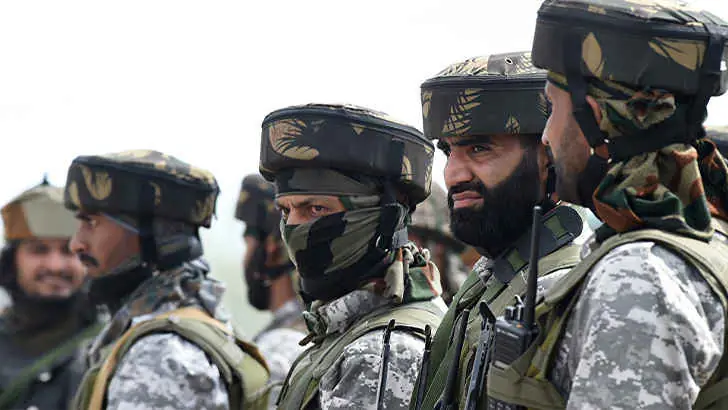
Republic of India’s armed forces is the 2 nd largest military force in the world. The country has the 3 rd largest defense budget in the world and has the largest volunteer army in the world. The Indian Army, the Indian Navy, and the Indian Air Force make up the Indian Armed Forces. Aside from that, the IAF is supported by several auxiliary forces such as the Central Armed Police Forces, Indian Coast Guard, Assam Rifles, and Special Frontier Force.
4. China
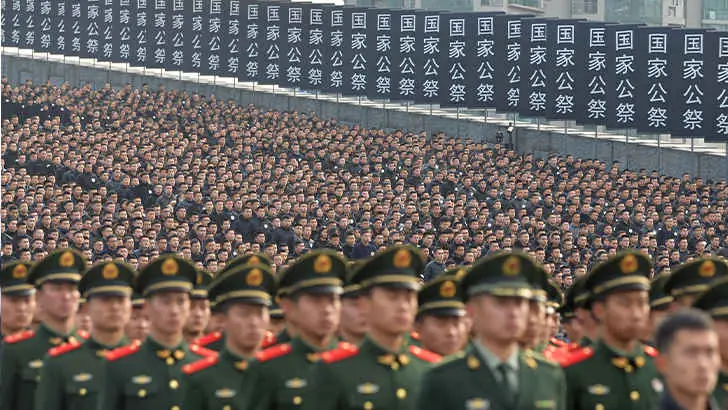
The total number of active members in the Chinese military forces is around 2.3 million. That’s quite normal when a country has the largest defense budget in the world. As per reports, China has a military budget of 166 billion. Aside from the 2.3 million active soldiers, the military has 1.2 million soldiers kept on reserve at this present moment.
3. Russia
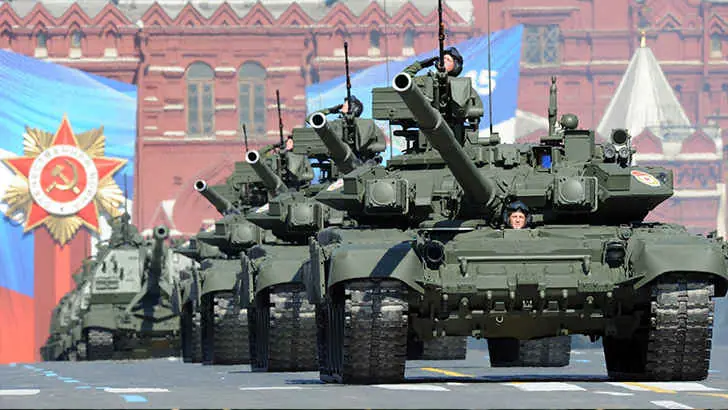
The Russian Federation’s combined military forces are known as the Russian Armed Forces. Talking about active-duty personnel, the Armed Forces of the Russian Federation or the AFRF happens to be the fifth-largest military in the world. In reserve, there are 2 million active soldiers currently. The AFRF can be branched into the Ground Forces, Aerospace Forces, and Airborne Forces.
2. Israel
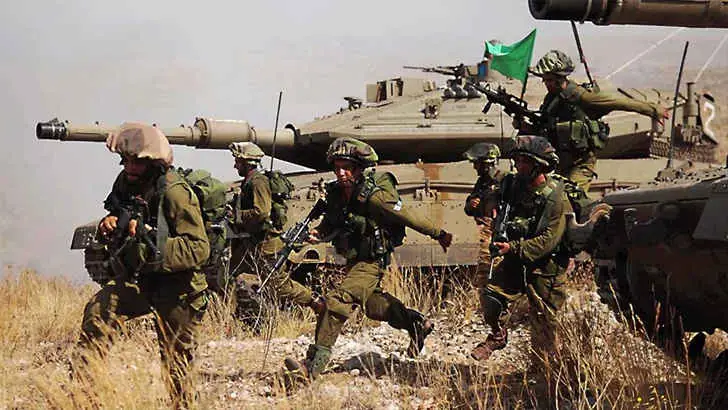
The Army of Defense for Israel, referred to in Hebrew as Tzahal, is Israel’s national military. Three service branches make up the Israel Defense Forces or the IDF – the Israeli Ground Forces, the Israeli Navy, and the Israeli Air Force. Women have always had a significant presence in the IDF since its independence in 1948.
1. The United States of America
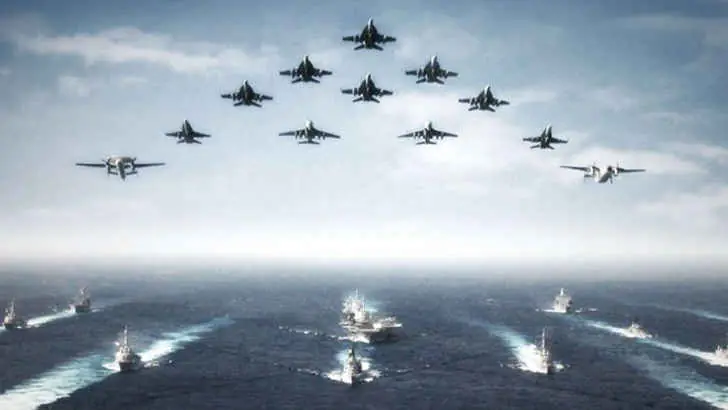
The United States Armed Forces comprise the Army, the Navy, the Air Force, the Marine Corps, the Coast Guard, and the Space Force. Since the American Revolutionary War, the U.S. Armed Forces have been known to play a decisive role in the country’s history. In terms of personnel, the United States Armed Forces are among the largest in the world. The budget of $693 billion that the country spends on its military forces is the highest in the world. The American president serves as the Commander-in-Chief.
The President forms military policy with the DoD or the Department of Defense and DHS or the Department of Homeland Security. There are at around 1.4 billion active personnel in the armed forces, while 1.1 million have been kept in reserve. The army headquarters is at Pentagon in Arlington County in Virginia.