The shift to cleaner industrial practices is gaining real traction, and artificial intelligence is playing a big role in helping traditionally high-polluting sectors cut back on energy waste and emissions. From steel production to shipping, mining, and building maintenance, AI is reshaping how major companies manage resources, streamline operations, and make data-driven decisions that favor both business and the environment.
Smarter Ports Are Leading the Way
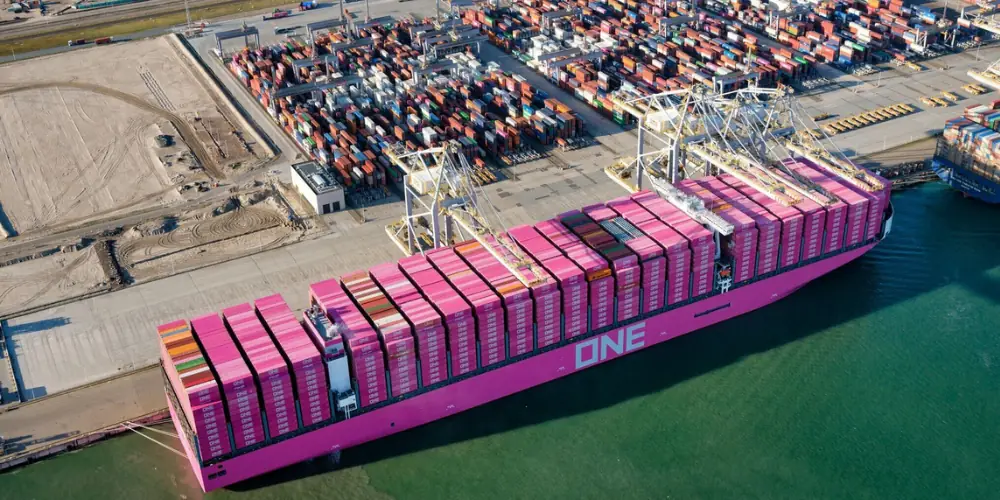
Rotterdam, Europe’s busiest port, has long been a hub of innovation. A century ago, it was one of the first to use wireless ship communications. Today, it’s setting the pace with a digital platform called PortXChange. Developed locally and now an independent company, this system analyzes dozens of data points like ship movement, port emissions, and estimated arrival times.
By minimizing unnecessary waiting times — a problem that wastes fuel when ships race to ports only to queue up — PortXChange helped companies like Shell cut idle time by 20% across global operations. That translates to major fuel savings and fewer emissions.
Rotterdam’s efforts have inspired other ports around the world, with the platform now in use from Houston to Singapore.
Steelmaking Becomes Smarter and Cleaner
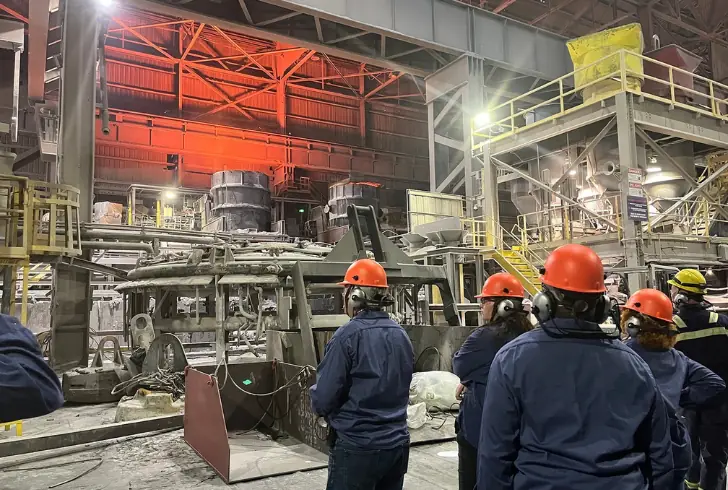
Instagram | aisc | Machine learning helps Gerdau and Fero Labs create optimal scrap recipes for quality steel.
Steel manufacturing is responsible for nearly 10% of global carbon dioxide emissions. Traditionally, steel is made by burning coal in blast furnaces, both as a heat source and a chemical agent. But more sustainable methods are gaining ground, specifically, producing steel from recycled scrap using electric arc furnaces powered by cleaner electricity.
The challenge? Scrap metal varies widely in quality, and managing its impurities requires careful control.
Brazilian steel producer Gerdau partnered with Fero Labs, a software firm, to fix this. By using machine learning to analyze years of plant data in North America, the system now evaluates the exact composition of scrap batches and suggests the optimal mix of materials. The result? Consistent quality with less energy and fewer additive materials.
This shift alone cut greenhouse gas emissions by 3.3% for a commonly used steel grade, all without any hardware upgrades.
Mining With a New Level of Precision
Mining is another emissions-heavy sector that is seeing big improvements. Fortescue, one of Australia’s top mining companies, is developing systems that redesign energy use around cleaner inputs. AI algorithms help optimize energy loads by scheduling power-hungry operations during times when renewable energy, like solar, is most available.
For instance, if forecasts suggest a cloudy afternoon, energy-intensive tasks are moved to the morning to take advantage of solar power while it’s strong. This load-balancing method allowed Fortescue to reduce the needed capacity of its energy systems by 9%, saving nearly $500 million in project costs.
Smarter Buildings, Smaller Footprints
Buildings contribute roughly 20% of human-made greenhouse gas emissions. Given how long structures remain in use, it’s critical to improve their energy efficiency without requiring major renovations.
A great example comes from Dollar Tree, a major American retail chain. They worked with BrainBox AI — now owned by Ireland’s Trane Technologies — to roll out intelligent HVAC systems in over 600 stores. These systems use internal building data and weather forecasts to adjust heating and cooling in real-time. The payoff? Nearly 8 GWh of electricity was saved in a year, and over $1 million in cost reductions.
Predicting Maintenance Before Problems Happen
AI tools are helping companies spot issues before they become costly problems. At Ontario Power Generation, software from the British firm AVEVA identified $4 million in savings over two years by improving efficiency.
In Denmark, Sund & Bælt manages major infrastructure like bridges and tunnels. They used IBM’s technology and drone imagery to check structural health. This method lowered their yearly maintenance costs by 2%. It also extended the life of assets, which could avoid about 750,000 tons of carbon emissions.
Making Shipping and Logistics Cleaner
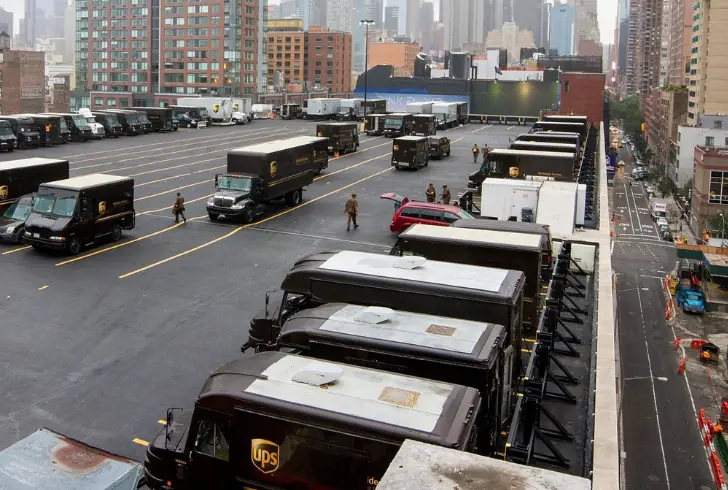
Instagram | ups | UPS leverages AI for dynamic route adjustments, cutting mileage and emissions.
Shipping companies are using AI to work smarter and reduce emissions. UPS now updates delivery routes throughout the day. It factors in new orders, pickups, and traffic. This change cuts 16 to 22 kilometers from each driver’s daily route. As a result, fuel use drops, emissions go down, and deliveries stay on time.
Cargill Ocean Transportation, part of a major agribusiness, also uses AI to improve port efficiency. With Amazon’s AWS, they’ve streamlined how ships load and unload. That shift saves about 2,800 working hours every year and reduces related emissions.
Maersk, a global leader in container shipping, uses AI to track engine data, ocean currents, and weather. This helps ships avoid delays and rough conditions. Even the older vessels in their fleet now use less fuel. That effort saved $250 million and cut 1.5 million tons of CO2.
Connecting Routes and Data in Real-Time
Back in Rotterdam, another innovation is helping to make shipping more sustainable. Routescanner, a digital tool built by the port, gives shippers real-time suggestions based on route options, transport modes (like barge vs. truck), and emissions levels. This gives logistics companies better choices — not just the fastest route, but the smartest one for the environment.
As more global forwarders adopt tools like this, it’s clear that the shift toward lower emissions doesn’t always require new machinery — just smarter thinking.
Industries that were once seen as major environmental polluters are starting to clean up their act. From mines and metal plants to shipping yards and storefronts, these industries are making significant strides. They’re not doing it alone. AI is helping turn massive amounts of data into practical, eco-friendly actions.
AI is optimizing energy use, reducing idle time, and even predicting maintenance needs before equipment fails. It’s helping to transform outdated systems into smarter, greener solutions. While challenges remain, the progress made so far proves that cleaner, more efficient industries are not just a possibility — they are already becoming a reality.