In today’s world, the impact of food packaging on our environment is undeniable. With a staggering amount of plastic waste filling our landfills and oceans, there’s a growing movement towards eco-friendly alternatives that not only reduce pollution but also safeguard human health. This guide dives deep into the realm of eco-friendly food containers, highlighting five sustainable options while cautioning against three to avoid.
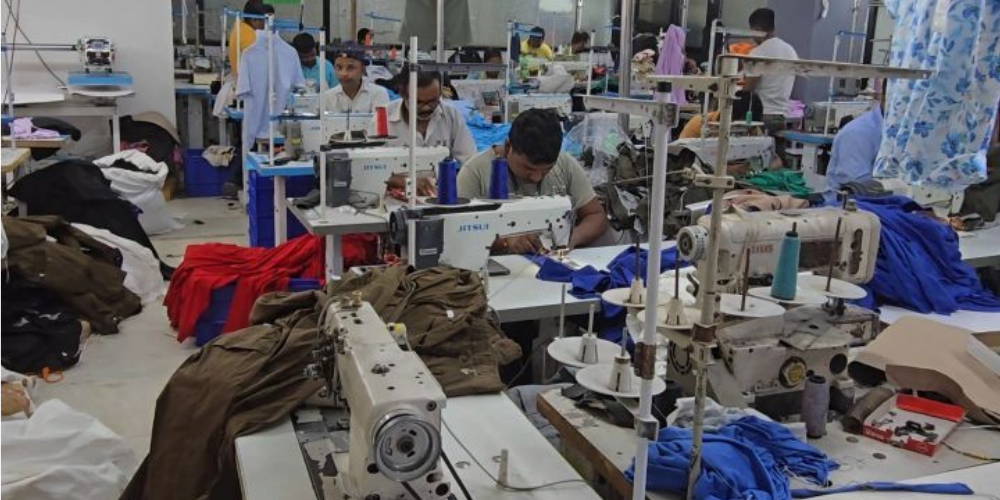
Freepik | wavebreakmedia_micro | About 60% of global plastic production is dedicated to food packaging.
The push towards eco-friendly food containers stems from alarming statistics: approximately 60% of all plastics produced globally are used for packaging food. This translates to a massive 228 million metric tons of plastic waste annually from food packaging alone.
The repercussions are significant, with plastics polluting our oceans, leaching harmful chemicals into food, and posing serious health risks to humans. Eco-friendly alternatives offer a beacon of hope, utilizing materials like glass, stainless steel, bamboo, and biodegradable compounds to mitigate these concerns.
Glass stands out as a durable, reusable, and recyclable material suitable for various food storage needs. From water bottles to bento boxes, glass containers are free from harmful chemicals like BPA and offer a longer lifespan compared to plastics. While not ideal for leak-proof lids, innovations such as silicone-sealed or bamboo lids provide practical solutions for on-the-go use.
Renowned for its durability and resistance to rust and heat, food-grade stainless steel is an excellent choice for eco-conscious consumers. Products like stainless steel bento boxes and airtight storage jars combine practicality with sustainability, often featuring BPA-free silicone seals or stainless steel clips for added security.
Freepik | Bamboo, biodegradable and heat-resistant, is gaining popularity in food packaging.
As a biodegradable and heat-resistant material, bamboo is increasingly popular in food packaging. Countertop jars with bamboo lids, portable lunch boxes, and stylish serving bowls showcase bamboo’s versatility, though it’s important to note their durability compared to glass or stainless steel.
A byproduct of rice farming, rice husk offers a low-cost, renewable, and biodegradable alternative for food containers. Its bio-adsorbent properties make it suitable for sealable lunch boxes and sturdy serving bowls, contributing to both sustainability and functionality.
Innovative gelatin films are emerging as a safe and cost-effective solution for food packaging. These films, often filled with antimicrobial agents, inhibit pathogen growth without compromising biodegradability. Microcrystalline cellulose and rosin-grafted cellulose nanocrystals are key components, enhancing the films’ environmental credentials.
Widely used but environmentally disastrous, single-use plastics like straws, beverage bottles, and plastic bags contribute significantly to global plastic pollution. Their disposal often leads to marine and terrestrial contamination, highlighting the urgent need for alternatives.
Freepik | Bisphenol-A (BPA), found in plastics such as PVC, is known for disrupting hormones.
Bisphenol-A (BPA) is a ubiquitous component in plastic products like PVC, notorious for its endocrine-disrupting properties. Avoiding BPA-containing plastics helps reduce health risks associated with infertility and metabolic disorders.
Convenient yet environmentally harmful, disposable takeaway containers contribute substantially to plastic waste. Opting for reusable or biodegradable alternatives can drastically reduce environmental impact.
Transitioning to eco-friendly food containers is a significant step towards sustainability. Here are practical tips to minimize plastic use in your daily life:
By making small changes and embracing eco-friendly food containers, we can collectively create a significant impact. Let’s ditch the plastic blues and choose a greener future, one delicious bite at a time!