Food waste is a massive global problem, with a staggering one-third of all food produced worldwide going to waste. This not only impacts our environment. But also impacts our wallets. However, the Mill Kitchen Bin is looking to change that.
This innovative system developed by Google Nest co-founder Matt Rogers aims to lessen the amount of food waste by turning it into feed.
ABC | Mill is a sleek and stylish high-tech trash that turns food scraps into feed. And the catch? Well, it comes with a $33 monthly subscription.
The Mill Kitchen Bin is an electric kitchen waste bin that can shrink and de-stink typical kitchen food scraps in just a few hours. It then turns them into usable food grounds. The goal is to keep food from going into landfills, where it produces harmful greenhouse gases.
The grounds are then processed into chicken feed and dispersed to farms. The idea is to recirculate food back into the system so the entire process goes further.
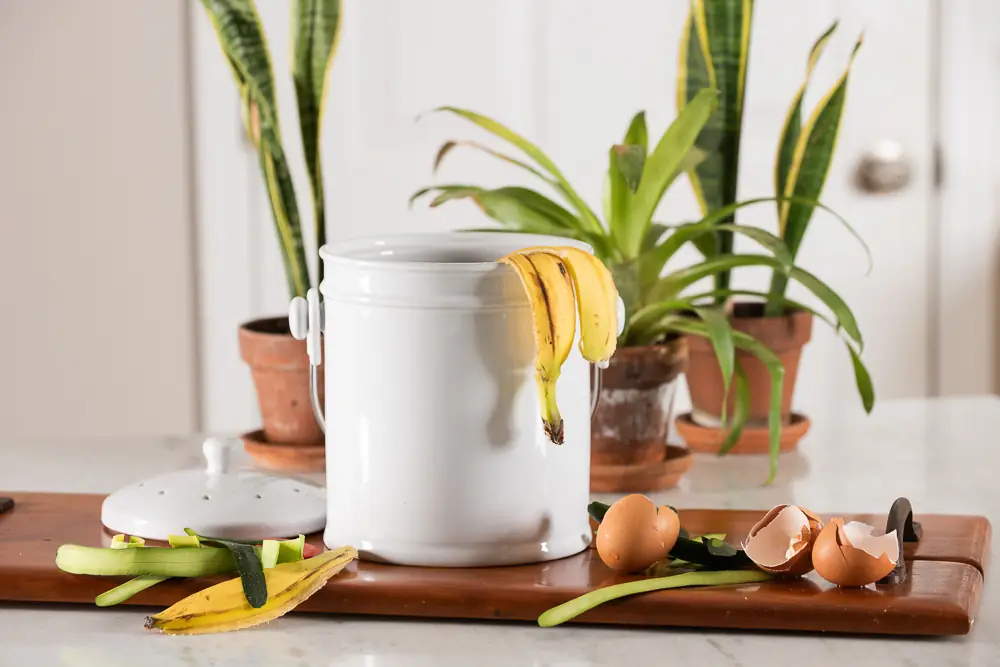
The Mill Kitchen Bin is perfect for households, particularly mindful eaters. You can store food scraps, such as vegetable peels, eggshells, and fruit remains, inside the bin. The bin then has a secure lid that you lock down. Tucked away is a carbon filter that helps keep the air clean.
GTN | Developed by Google Nest co-founder Matt Rogers, this high-tech bin is all set to reduce food waste on a massive scale.
Likewise, the lid seals so tightly that it can lock out any excess smells. The Mill starts processing the food scraps automatically, and you can expect the bin to grind up and mix the food scraps every 3-4 hours.
The benefits of the Mill Kitchen Bin are numerous. First, it recirculates waste into the system, providing the farmers with a much-needed feed supplier. Farmers who receive the feed have shown a return on investment, in addition to encouraging increased sustainable farming practices.
Apart from that, it keeps food waste (which makes up 20% of all landfills) out of landfills, where food waste decomposes and produces methane, a potent greenhouse gas.
Lastly, it eliminates the need for composting and managing a compost pile, which is perfect for individuals who have little experience.
Ho Modern | Mill Kitchen Bin is all set to change the very essence of food waste.
Innovations in waste disposal technology, like the Mill Kitchen Bin, could be a game-changer regarding food waste. The Mill Kitchen Bin is a prime example of what can be achieved when entrepreneurs and investors are willing to think outside the box.
This idea addresses the demand for more sustainable products that will help the environment as well as the economy.
The Mill Kitchen Bin offers an innovative solution to the issue of food waste. Increasing sustainable farming, reducing landfill use, eliminating the need for composting, and providing extra food for chickens all in one efficient system. Thus, it is a genuinely groundbreaking innovation that could revolutionize the way that we perceive waste and use it. Investing in the Mill Kitchen Bin is investing in the future of food waste.