
As the clock ticks towards the critical 2050 deadline for achieving “net zero” emissions, the United Kingdom faces a race against time. According to the government’s independent climate advisors, without a substantial acceleration of efforts, the UK could lag in fulfilling its net zero commitment.
But what exactly does “net zero” mean, and how are other countries faring in this global quest to combat climate change? In this informative and conversational article, we’ll explore the concept of net zero, the UK’s efforts, and what the rest of the world is doing to combat climate change.
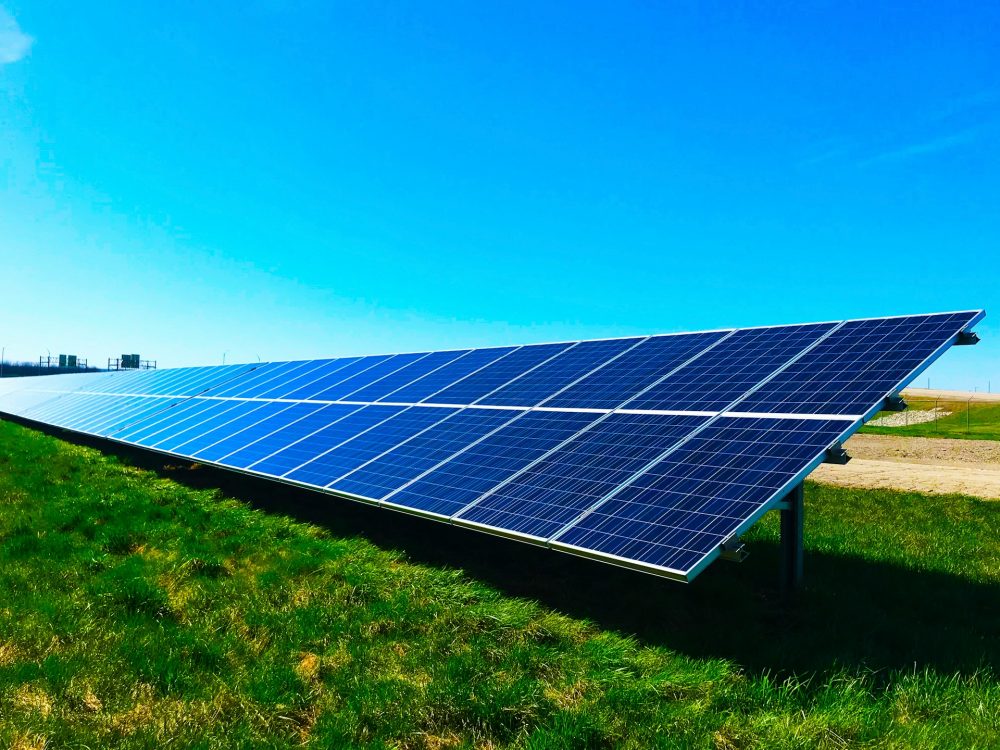
Matthias Zomer/ Pexels | Climate change is the greatest threat to human health in the 21st century
At its core, net zero signifies a state without additional greenhouse gases being added to the Earth’s atmosphere. These gases, including carbon dioxide (CO2) and methane, primarily originate from activities like burning fossil fuels and agricultural practices.
When released into the atmosphere, they act as a thermal blanket, trapping the sun’s energy and raising global temperatures. The consequence? Climate change and all its devastating impacts.
In 2015, the Paris Climate Agreement united 197 countries in a shared goal: to limit global temperature increases to 1.5°C by 2100. Scientists emphasized reaching net zero CO2 emissions by 2050 to achieve this ambitious target. However, recognizing the situation’s urgency, the United Nations has since called for countries to advance their net zero targets by a decade to avert an impending “climate disaster.”
While the idea of net zero is straightforward, attaining it is a more complex endeavor. Not all emissions can be eliminated, necessitating the concept of “offsetting.” This means that remaining emissions must be balanced by actively removing an equivalent amount of greenhouse gases from the atmosphere.
Soo Ann Woon/ Pexels | The environment is where we all meet, where we all have a mutual interest, and it is the one thing all of us share
Natural methods like reforestation and peatland restoration contribute to offsetting, as do industrial techniques like carbon capture and storage. However, the latter remains a developing and costly technology.
The UK has set forth a series of bold pledges to achieve net zero emissions by 2050, including sourcing all electricity from clean sources by 2035, prohibiting new petrol and diesel cars by 2030, and installing 600,000 heat pumps annually by 2028.
Additionally, they aim to utilize carbon capture to remove 20 to 30 million tonnes of CO2 annually by 2030. Despite these ambitious goals, the government’s recent net zero strategy received criticism for lacking substantial new policies and investments.
While government action plays a pivotal role, individual efforts are equally crucial. Individuals can contribute by taking fewer flights, reducing energy consumption, enhancing home insulation, switching to electric vehicles, adopting heating systems like heat pumps, and reducing red meat consumption. Small changes collectively make a substantial impact.
Trey Musk/ Pexels | The UK was one of the first major economies to commit to net zero emissions by 2050
Approximately 140 countries, representing 90% of global emissions, have pledged to achieve net zero emissions. However, not all countries have set the same 2050 deadline. For instance:
The pursuit of net zero is not without challenges and controversies. Some countries may reduce recorded emissions by importing energy-intensive goods, shifting the burden elsewhere without an actual emission reduction.
Additionally, schemes that enable wealthy nations to pay poorer ones to transition to cleaner fuels have raised concerns among climate scientists, who worry that this might enable richer countries to avoid substantial reductions in fossil fuel usage.