
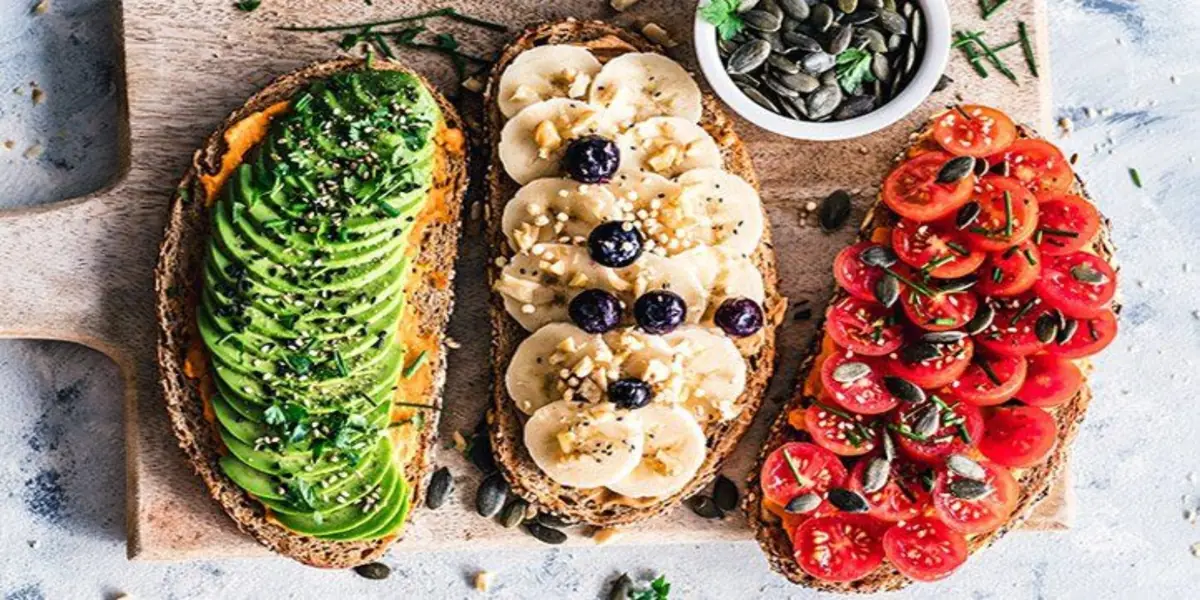
We are very much aware of how many organizations are creating awareness about the cruel acts of slaughtering animals to satisfy the human tongue’s taste buds and the human body’s nutritional requirements. They are also trying to educate people about how adding more fruits, vegetables, beans, pulses, soya, whole grains, nuts, and seed to the diet can fulfill all the proteins, vitamins, minerals, and iron requirements in a human body; hence there is no need to kill innocent animals brutally. Eating plant-based food is considered more ethical toward the rights of animals and the planet and is also healthier for the human body.
Vegetarian or non-vegetarian food is a hot debatable topic because there are many alternatives to animal-based food available in the market. Still, some people are not ready to adopt them into their diet, nor are they prepared to accept their nutritional values.
We agree with the “Eat- Lancet Commission on Food, Planet, and Health,” which says that adopting a plant-based diet and avoiding animal products is healthy, sustainable, and suitable for both humans and the planet. Therefore, in this article, we will lighten some fantastic eatables that are healthy alternatives to animal products.
Eggs are an excellent source of calcium, proteins, iron, vitamin B, and vitamin D. They are ideal for breakfast. In cooking, they are perfect ingredients to provide smooth texture and moisture to the gravies and to stick ingredients in fried food dishes. But substitutes are available, which are equally nutritious and fulfill all the purposes.
For instance, chickpea water can be used for preparing smooth mayo, mashed potatoes, soaked chia, and flax seeds can also be used in baking and many other dishes replacing eggs. Instead of an egg omelet for breakfast, you can have a yummy chick flour omelet. These ingredients are rich in proteins, low in saturated fats, and contain choline, selenium, and iron.
Tofu is a nutritious and versatile substitute for meat. It can be consumed raw or easily replaced by beef in any cuisine for any occasion, and it can be consumed plain and firm for stews and stir-fries, smoked to be added to a salad, or added to gravies. It contains a high amount of calcium, iron, and proteins.
Soybeans are another alternative to meat that provide all the essential amino acids required in the human body. Hence, adding it to your daily diet fulfills all the amino acid needs, and there is no reason to eat meat.
Chickpeas also carry equal amounts of proteins and vitamins compared to meat.
Fish provides an adequate amount of omega3 fatty acids and long-chain DHA and EPA to the human body. According to a few pieces of research, fish get DHA and EPA through microalgae and other sea vegetables. So, we can also consume DHA and EPA through edible sea vegetables. Omega-3 fatty acids can also be consumed by eating more walnuts, flax, chia and hemp seeds, soya beans, and green leafy vegetables instead of having fish in the meals.
Going through any grocery store, we can see a lot of alternative kinds of milk to cow and buffalo milk are available, and we can easily find soya, almonds, oats, nut, coconut, rice, and pea milk on the grocery store shelves and often placed beside traditional animal milk. Of all these kinds of milk, soy, oat, and pea milk are the most healthy and sustainable. It is advised for consumers to make sure they are fortified and must have added calcium, vitamin B12, and iodine.
Plant-based milk is unsuitable for kids because it is lower in fats and often more protein deficient. Kids have additional needs for growth and development; hence, experts recommend a higher fat version of oat milk with regular calcium supplements to fulfill all of their body’s requirements.
Like milk, there are many non-dairy kinds of cheese available in the grocery store, often based on coconut oil, though they don’t taste as good as dairy cheese. Eating cheese as a source of proteins can be easily substituted by nutritional yeast flakes, nuts, and seeds.
Any specific plant-based alternative might not provide all the amino acids and total nutritional value. However, regular consumption of vegetables, fruits, seeds, nuts, whole grains, and legumes can provide all essential protein, vitamins, and minerals.
These plant-based eatables don’t taste like meat, but we should look at the bigger picture.