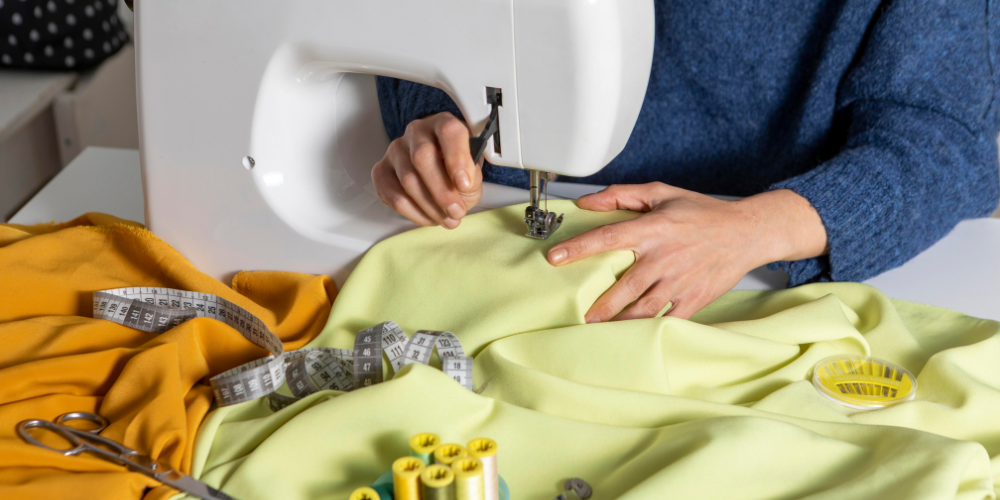

Aging often comes with questions nobody prepared for. Not just about how to look or feel better, but how to live smarter—with fewer wasteful habits, more comfort, and routines that actually make sense. Women in their 50s and beyond are increasingly rethinking what it means to age well. It’s not about denying the process—it’s about reshaping it to match a lifestyle that values simplicity, sustainability, and self-respect.
A quiet shift is happening across skincare, body care, and even kitchen routines. Women are choosing gentler paths that support their bodies and the environment. It’s not about trends. It’s about feeling at ease with age, health, and the small choices that shape daily life.
Smarter Skincare for Changing Skin

Freepik | Aging women are adopting minimalist, eco-friendly skincare routines.
No one needs a dozen products cluttering the bathroom shelf. As skin changes with age, many women are moving toward low-waste skincare routines that focus on fewer, better products. Solid cleansing bars that melt into creamy balms, or refillable glass bottles with hydrating serums, are replacing shelves full of plastic.
Natural ingredients like rosehip oil, shea butter, and oat extract have become favorites—not just because they work well on mature skin, but because they also feel clean and safe. Instead of masking every sign of aging, the goal is to nourish skin in a way that feels good.
These products also help strip away some of the mental clutter. With simpler routines, there’s less decision fatigue and more space to enjoy the process. Slower mornings, softer skin, and less waste—aging, reimagined.
Everyday Body Care That Feels Right
Hot flashes, dry skin, tight joints—none of these are problems to solve. They’re signals. The body changes with age, and the products used should shift, too. Instead of synthetic balms or disposable relief products, many are turning to reusable, natural solutions.
Cotton wraps, handmade salves, and heat packs made with flax or clay offer relief that feels grounding, not clinical. Even deodorant has gotten an upgrade. Refillable or compostable options made with gentle ingredients are easier on skin, especially when hormonal changes affect sensitivity.
Comfort and sustainability can go hand-in-hand. It’s not about fighting the body but working with it.
Unspoken Changes Deserve Smarter Solutions
Some changes aren’t as easy to talk about—like bladder leaks or lingering periods—but they’re common. And there are now more thoughtful products to deal with them. Reusable leak-proof underwear looks and feels like everyday lingerie. No bulky pads. No awkward rustling sounds. Just sleek, washable support that lets women feel confident again.
These options don’t just protect clothing or confidence—they reduce waste. One reusable pair can replace dozens of single-use products over time. The comfort is quiet, but the impact is real.
Clothing and Accessories That Fit Your Life
A closet full of clothes that used to work doesn’t help anyone. At a certain age, priorities shift: softness matters more than trend, fit matters more than flash. Women are choosing pieces made from natural fabrics like linen or organic cotton. Not because they’re trendy, but because they last, they breathe, and they actually feel good on skin.
Add a couple of pairs of well-cushioned shoes and a few versatile, year-round pieces, and the wardrobe feels fresh again. Accessories are making the same move—crossbody bags that don’t dig into shoulders, natural-fiber hair ties, and sunglasses that ease light sensitivity.
It’s about function with style—clothing that supports how people actually live.
Kitchen Swaps That Make Sense
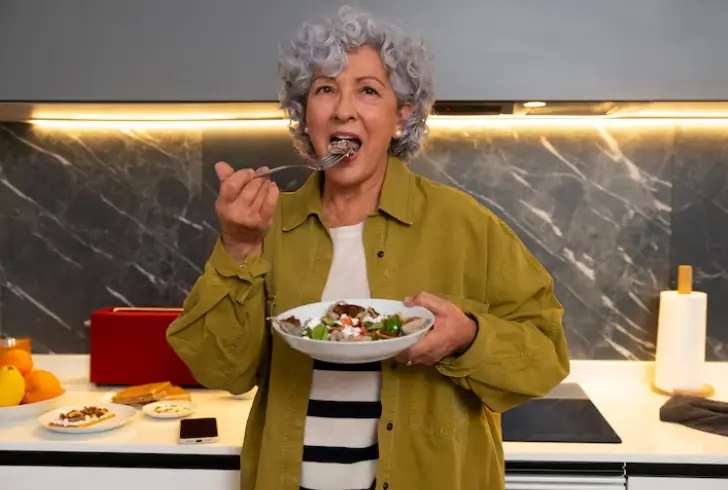
Freepik | Aging often shifts eating habits towards smaller, healthier meals with less spontaneous cooking.
Aging often changes how and what people eat. Smaller meals, less impulse cooking, and more focus on health. But without paying attention, it’s easy to fall into habits that create waste—unused leftovers, plastic packaging, forgotten produce.
Reusable beeswax wraps, breathable cloth covers, and clear glass containers can completely change how food is stored and used. Compost bins that actually fit on the counter help deal with food scraps naturally. Even switching to washable cloth napkins adds a small spark of joy at mealtimes.
These shifts aren’t drastic. They make everyday living smoother and more thoughtful.
Aging Is About Refining
Living well after 50 doesn’t mean giving things up. It means choosing differently. The goal isn’t perfection—it’s feeling grounded. These small changes—more sustainable skincare, natural body care, smarter kitchen habits—don’t just lighten the environmental load. They also lighten daily life.
Aging doesn’t erase identity. It clarifies it. And in that clarity, many are finding space to live cleaner, simpler, and more in tune with what really matters.
Letting age guide smarter choices isn’t giving in. It’s finally making sense of what deserves space, and what doesn’t.