Amazon has become a household name worldwide and continues to dominate the e-commerce industry. The Seattle-based company has revolutionized online shopping with a vast selection, speedy delivery, and seamless user experience. However, over the past year, Amazon has struggled to meet the high delivery expectations of its customers, which has caused a significant backlash.
So, why is Amazon struggling to live up to customer delivery expectations – and what can be done about it?
Bill Baer/ Getty Images | This year, Bezos revealed that Amazon has already shipped over 5 billion items to over 100 million Prime members across the globe
The Covid-19 pandemic has significantly impacted the logistics industry, affecting shipping times, warehouse operations, and the availability of products. Amazon, which saw a surge in demand for its online shopping services during the pandemic, was not immune to these challenges and has faced a massive backlog in deliveries. With the reopening of the economy and increasing demand for Amazon services, the company is struggling to keep up with deliveries.
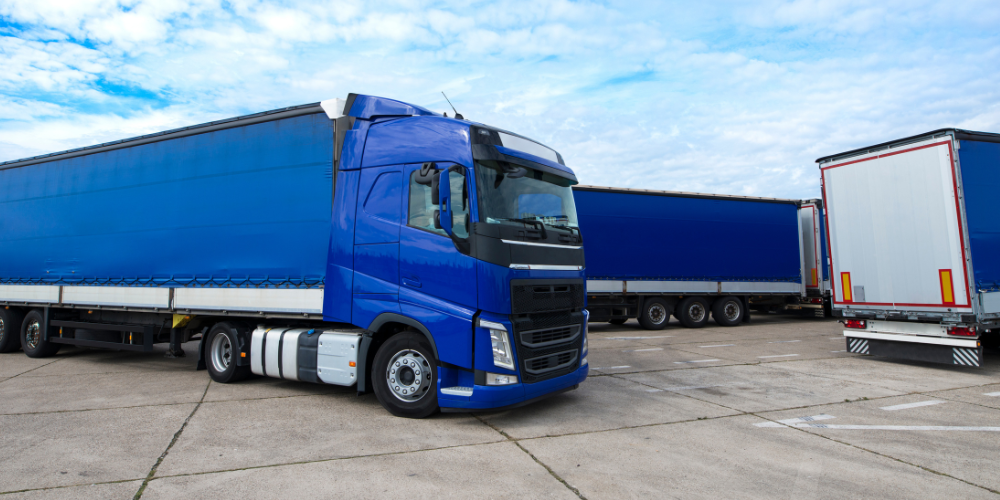
Amazon’s delivery network is complex, involving multiple warehouses, sorting facilities, and delivery trucks. The company has invested heavily in its infrastructure over the years, but the rapid increase in demand has exposed some of the weaknesses in its system. For example, Amazon’s warehouses have struggled to keep up with the influx of packages, leading to delays in sorting and processing orders. Additionally, the company’s delivery trucks have been stuck in traffic jams and faced other logistical challenges, further delaying deliveries.
Another factor contributing to Amazon’s struggle is a labor shortage. The company needs more workers to keep up with the demand for deliveries, but finding enough qualified candidates to fill the roles has proved difficult. Amazon employees have also had a high turnover rate as workers leave due to poor working conditions, low pay, and a lack of job security.
THOMAS LEE/ THESTREET | Amazon has over 12 million products and services on display
Amazon’s e-commerce dominance has led to many companies trying to compete with the industry giant. They offer free next-day or two-day delivery, which has caused Amazon to change its delivery policies to compete better. Amazon’s attempt at one-day delivery has been met with mixed results as it often fails to meet customers’ high delivery expectations.
While Amazon has invested heavily in its technology to improve its logistics and delivery experiences, it faces limitations. Amazon currently uses a complex and sophisticated system, but it cannot meet the needs, particularly in data analysis and optimization. Hence Amazon needs to evolve its technological infrastructure to fulfill evolving shipping requirements.
Amazon’s inability to deliver products on time has significantly impacted its customers’ overall experience. What used to be next-day or two-day delivery is now taking up to a week or more, sometimes affecting the customers’ expectations. With the rise in delays and cancellations following orders, customers are losing trust in Amazon’s efficiency and service.
Zac Freeland/ Vox | Customer reviews are increasingly available online for a wide range of products and services.
Amazon relies heavily on third-party delivery partners such as UPS, FedEx, and the United States Postal Service (USPS) to fulfill their orders. However, these partners are also experiencing capacity overload, meaning that Amazon’s delivery timelines are at the mercy of external factors. Furthermore, many of these third-party companies have struggled with staffing shortages and logistics issues, further adding to the delay in delivery times.