
In a groundbreaking moment, the FDA recently approved the first-ever CRISPR therapy, a medical marvel that targets sickle cell anemia and beta thalassemia.
Picture this: a single, transformative treatment, crafting hope by editing bone marrow stem cells in a lab, allowing patients to breathe a sigh of relief as functioning hemoglobin is restored. Jennifer Doudna and Emmanuelle Charpentier, the scientific power duo, clinched the Nobel Prize in Medicine in 2020 for this game-changing breakthrough.
freepik | RNAi uses a short RNA sequence as a search query to target disease genes.
Imagine a Google search for genes – that’s RNA interference (RNAi). Discovered by scientists Craig Mello and Andrew Fire, RNAi is like a molecular detective that silences gene expression, offering a profound tool for medical interventions. Here’s why it’s a game-changer:
Medical Marvels: Five RNAi drugs have already been approved, addressing conditions like amyloidosis. With improved delivery methods, the future holds a plethora of RNAi drugs combating various diseases.
In 2006, Shinya Yamanaka unveiled a cellular time machine – induced pluripotent stem cells (iPSCs). This groundbreaking discovery rewinds mature cells to a pluripotent state, offering limitless potential for personalized therapies. Here’s why it matters:
Future Horizons: iPSCs are paving the way for off-the-shelf cell therapies, promising hope for conditions like age-related macular degeneration and congenital heart disease.
Pixabay | qimono | iPSCs are paving the way for off-the-shelf cell therapies.
Tasuku Honjo and Jim Allison unlocked the secrets of cancer immunology, leading to immune checkpoint inhibitors. These molecules enhance the body’s immune system to combat cancer. Here’s the scoop:
Challenges Ahead: While a cornerstone in cancer care, not all patients benefit equally. Advancements are needed to broaden eligibility and increase success rates.
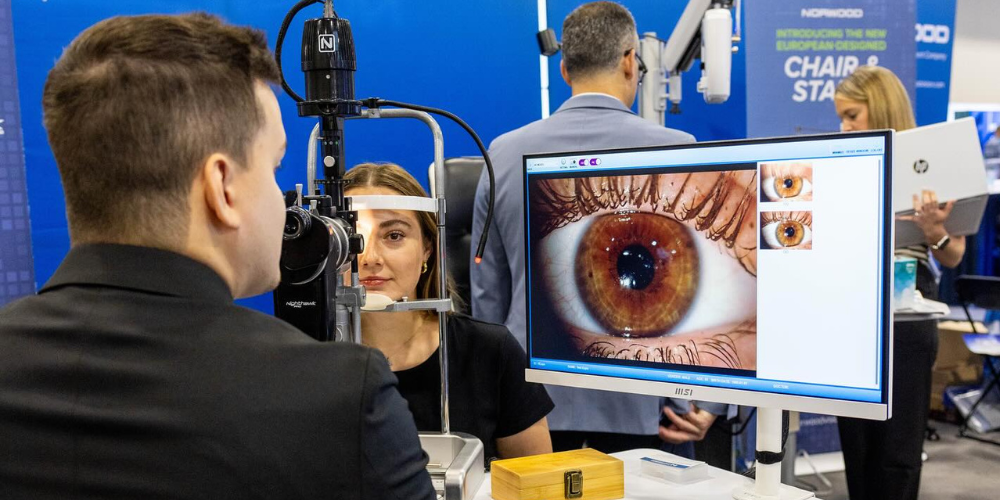
Harvey J. Alter, Michael Houghton, and Charles M. Rice cracked the code of the elusive Hepatitis C virus, saving millions of lives. Here’s the impact:
freepik | Harvey J. Alter, Michael Houghton, and Charles M. Rice cracked the code of the elusive Hepatitis C virus.
Global Challenge: Access to treatment and diagnosis remains a hurdle, emphasizing the need for widespread awareness and healthcare infrastructure.
Drew Weissman and Katalin Kariko pioneered mRNA modifications, enabling human immune tolerance. This groundbreaking discovery paved the way for the Covid mRNA vaccines and promises a transformative future:
Looking Forward: Let’s celebrate these scientific triumphs and anticipate a future where mRNA reshapes medicine on unprecedented scales.
These Nobel Prize-winning discoveries aren’t just scientific milestones; they’re beacons of hope, proving that each leap in science brings us closer to a healthier, brighter future. Here’s to more breakthroughs, more Nobel Prizes, and healthier years!