
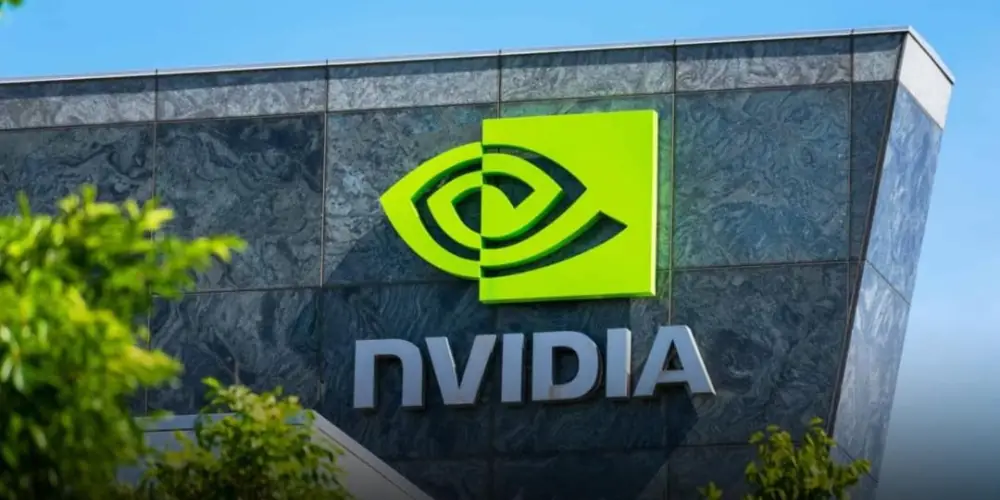
In a dramatic turn of events, Nvidia recently experienced a historic decline in its market value, marking the largest single-day drop ever recorded for a U.S. company. The Nvidia stock drop saw a staggering 9.5% plunge, erasing $279 billion from its market capitalization. This sharp decline reflects a growing caution among investors regarding the future of artificial intelligence, a sector that has driven much of the stock market’s gains this year.
Instagram | theaifield | Nvidia’s record-breaking stock drop surpassed Meta’s 2022 loss, but earnings expectations remain high.
The Nvidia stock drop is emblematic of a broader shift in investor sentiment. As the tech-heavy Nasdaq and S&P 500 indices also saw significant losses—down 3.3% and 2.1%, respectively—the undercurrent of economic unease became apparent. This was particularly evident after Nvidia’s latest quarterly forecast fell short of the high expectations set by its recent stock rally.
The company’s significant loss, more than the previous record of $232 billion set by Meta Platforms in February 2022, signals that the market may be recalibrating its expectations for tech stocks driven by AI advancements.
The broader semiconductor sector also felt the ripple effects of Nvidia’s misfortune. The Philadelphia Semiconductor Index (SOX) saw a dramatic 7.75% drop, marking its steepest decline since 2020. The news about Nvidia’s forecast faltering has contributed to a growing skepticism regarding the return on investment in AI technology. As Todd Sohn from Strategas Securities noted, the recent surge of investments into tech and semiconductors has created a lopsided market, leaving many questioning if the investments will yield proportional returns.
The Nvidia stock drop has not been an isolated event. Major players in the tech industry are also facing pressure. For instance, Intel saw its shares fall by nearly 9% following reports that CEO Pat Gelsinger and his team are planning significant restructuring. This includes divesting from less profitable segments and re-evaluating capital expenditures.
In addition, tech giants like Microsoft and Alphabet have experienced declines in their stock values. Their lower-than-expected quarterly results have fueled concerns that the hype around AI may not fully translate into immediate revenue gains. Analysts have begun to scrutinize whether the massive capital outlays on AI are justifiable or if they might lead to underwhelming financial returns in the short term.
glassdoor.co.in | The Nvidia stock drop highlights a key moment in tech finance, driven by investor concerns over recent sluggish manufacturing data.
The Nvidia stock drop underscores a pivotal moment in the tech sector’s financial landscape. The shift in investor sentiment is partly influenced by recent economic data suggesting sluggish activity in the manufacturing sector. This, coupled with expectations of potential interest rate cuts by the Federal Reserve, has created a climate of uncertainty.
Despite the recent setbacks, Nvidia’s stock is still up 118% for the year, following an impressive rally earlier. Analysts have revised their annual net income estimates for the company to $70.35 billion, up from approximately $68 billion before the recent report. Although the current valuation of Nvidia’s stock, trading at 34 times its expected earnings, has dropped from over 40 in June, it remains in line with its historical average.
The Nvidia stock drop is a stark reminder of the volatile nature of technology investments. As market dynamics shift and investor expectations evolve, the impact on major tech companies like Nvidia, Intel, and others will continue to unfold. For now, the focus remains on how these companies will adapt to changing economic conditions and investor sentiment. With tech stocks and AI investments facing scrutiny, the coming months will be crucial in determining the future trajectory of these once-high-flying shares.